
Views: 222 Author: Loretta Publish Time: 2026-02-17 Origin: Site


Content Menu
● What Are Swimsuits Made Of Today?
● Key Factors to Consider When Choosing Swimsuit Fabric
● Main Swimsuit Fabrics and Their Best Uses
● Nylon Swimsuit Fabric: Soft, Stretchy and Flattering
>> Limitations of nylon blends
● Polyester Swimsuit Fabric: Durable, Colorfast and Chlorine‑Resistant
>> Advantages of polyester blends
>> Limitations of polyester blends
● Elastane (Spandex / Lycra): The Stretch Engine of Swimwear
● PBT and Performance Swimwear
● Natural Fibers in Swimwear: Cotton, Wool and Blends
● Sustainable Swimwear Fabrics: Recycled Nylon, rPET and More
>> Recycled nylon (e.g., ECONYL‑type fibers)
>> Why sustainable swim fabrics matter
● Other Specialty Swimwear Fabrics: Neoprene, Scuba, Ribbed, Velvet and Mesh
● How to Match Swimsuit Fabric to Your Needs
>> 1. For frequent pool swimmers
>> 2. For beach vacations and fashion‑forward looks
>> 3. For kids and family swim
>> 4. For eco‑conscious shoppers or brands
>> 5. For performance athletes
● Practical Checklist: What to Look for on the Fabric Label
● How to Care for Your Swimsuit Fabric So It Lasts Longer
● Where Brands and Buyers Can Add Extra Value with Fabric Choice
● Targeted Call to Action for Swimwear Brands and Buyers
● FAQs About Swimsuit Materials
>> 1. Which swimsuit fabric lasts the longest in chlorine pools?
>> 2. Is nylon or polyester better for everyday beach swimwear?
>> 3. Are sustainable swim fabrics as durable as regular synthetics?
>> 4. How can I tell if a swimsuit will be see‑through when wet?
>> 5. Why does my swimsuit pill or look worn so quickly?
Swimsuit material is not just about how it looks – it affects comfort, durability, support, and even how sustainable your swimwear really is. Whether you are choosing fabric for your own beach days or planning a new swimwear collection, understanding swimsuit fabrics helps you make better long‑term decisions.

Modern swimsuits are mainly made from synthetic fibers, often blended with elastane (spandex/Lycra) to provide stretch, shape retention, and a body‑hugging fit.
- Nylon (polyamide) blends
- Polyester blends
- Elastane / Spandex / Lycra
- PBT (polybutylene terephthalate)
- Specialty materials like neoprene, scuba, ribbed and textured knits
Natural fibers such as cotton and wool were used historically, but they absorb water, get heavy, and lose shape, so they are now mostly limited to retro or fashion‑only swim looks.
Before comparing materials, it helps to know what really matters for swimwear performance.
- Chlorine & UV resistance – important for pool swimmers and sunny climates.
- Stretch & recovery – how well the fabric hugs the body and bounces back.
- Comfort & softness – how it feels on the skin during long wear.
- Quick‑drying – how fast it dries after you leave the water.
- Colorfastness & print quality – whether colors stay bright and prints stay sharp.
- Sustainability – use of recycled fibers like regenerated nylon or recycled polyester.
For brands and designers, fabric weight (often 180–220 g/m²), composition and stretch percentage (e.g., 80/20 vs 85/15) also matter when you want a specific hand feel or level of support.
Fabric type | Main pros | Main cons | Best suited for |
Nylon + Elastane | Very soft, highly stretchy, lightweight, smooth fit | Weaker chlorine & UV resistance, can pill and fade over time | Fashion swimwear, bikinis, beach & resort wear |
Polyester + Elastane | Excellent chlorine & UV resistance, very durable, great colorfastness and printing | Slightly less soft/stretchy than nylon, can feel firmer | Training suits, competitive swim, kids' swim, long-lasting basics |
PBT (polyester family) | Lightweight, natural stretch, great for racing; glides through water | Less elastic; more technical look and feel | Performance and competition swimwear |
Elastane / Spandex / Lycra (in blends) | Provides powerful stretch, body-hugging fit, shape retention | Loses elasticity over years if over-stretched or overheated | All stretch swim fabrics as a component, not used alone |
Neoprene | Thermal insulation, structured look, wetsuit aesthetic | Thick, can be hot, harder to put on, less flexible for everyday swim | Surfing, diving, statement fashion pieces |
Ribbed / Textured / Velvet | Fashion-forward look, unique surface, premium feel | Often less stretchy or heavier; more expensive | Trend-driven collections and statement sets |
Nylon (also called polyamide) blended with elastane is one of the most common fabrics for women's bikinis and one‑pieces.
- Very soft hand‑feel that feels almost like a second skin.
- Excellent stretch and recovery, especially in blends like 80% nylon / 20% elastane.
- Lightweight and flattering, helping fabric hug the body and smooth curves.
- Dries quickly, so it feels comfortable soon after you leave the water.
These qualities make nylon fabrics a great choice for fashion‑oriented swimwear and resort collections where comfort and a sleek fit are top priorities.
- Less resistant to chlorine and UV than polyester, so it can fade or weaken faster in harsh pool conditions.
- More prone to pilling when frequently exposed to chlorine or rough surfaces.
- Colors and certain inks can be less stable than on polyester, especially for long‑term use.
Choose nylon if you want a soft, luxurious feel and fashion‑driven silhouettes, but be prepared to care for it more carefully if you swim in pools regularly.
Polyester blended with elastane is the go‑to fabric for long‑lasting, high‑performance swimwear.
- Excellent chlorine resistance, ideal for frequent pool swimmers and training suits.
- Strong UV resistance, helping protect both the fabric and color from sun damage.
- Very good colorfastness – prints stay sharp and vibrant over time.
- Maintains shape and fit well, even after many wears and washes.
Polyester is widely used for competitive swimwear, kids' swim, and any piece that needs to last more than one season.
- May feel slightly less soft or less stretchy than nylon at the same elastane percentage.
- Some swimmers describe the hand‑feel as more “technical” and less silky.
If your priority is longevity, chlorine resistance and stable color, polyester‑based fabrics are usually the best option.
Elastane (also called spandex or Lycra) is a highly elastic synthetic fiber used in small percentages (commonly 15–22%) to give swim fabrics powerful stretch.
- Provides 4‑way stretch, allowing the suit to move with the body.
- Helps the garment snap back to its original shape after swimming.
- Essential for body‑hugging fits, secure coverage, and supportive silhouettes.
Elastane is almost never used alone; it is blended with nylon, polyester or other fibers to build the base fabric. Over time, exposure to high heat, harsh chemicals, and wringing can reduce its elasticity, so gentle care is important.
PBT (polybutylene terephthalate) is a member of the polyester family used in some high‑performance swimwear.
- Has a naturally springy stretch and good recovery.
- Feels lighter with a slightly drier, technical surface.
- Glides smoothly through the water, which is valued in competition suits.
Because PBT fabrics are less elastic than typical nylon/elastane blends, they are most often used in racing and training suits rather than fashion swimwear.
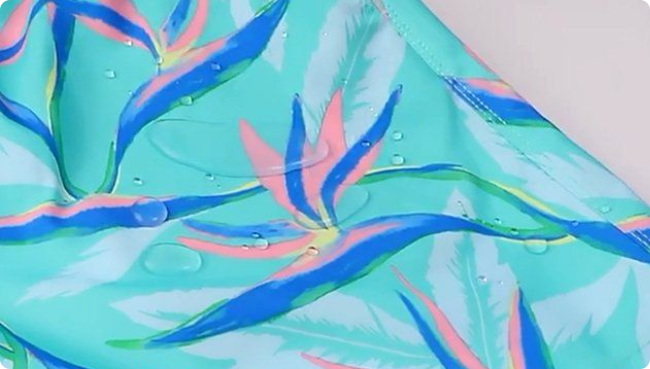
Before synthetics, swimsuits were actually made from wool and other natural fibers. They were chosen because they could be knitted and had some stretch, but they absorbed water, became heavy, and distorted in shape.
Today, natural fibers appear mostly in:
- Retro‑inspired cotton or bamboo swim looks for lounging.
- Hybrid poly‑cotton blends used for fashion‑only styles where performance is not critical.
Natural fibers lack the quick‑drying and chlorine‑resistant qualities of modern synthetics, so they are not recommended for intensive swimming.
Sustainability has become a major focus in the swimwear industry.
Recycled nylon is produced from pre‑ and post‑consumer waste such as discarded fishing nets, carpet fibers, and industrial plastics.
The process typically involves:
- Rescue – recovering waste from oceans and landfills.
- Regenerate – depolymerizing and purifying the waste back to nylon.
- Remake – spinning new yarns for fabrics.
- Reimagine – creating new swimwear that can be recycled again at end of life.
Recycled nylon fabrics offer performance similar to virgin nylon but with significantly reduced environmental impact.
Recycled polyester (often from PET bottles) is another widely used eco swim option.
- Reuses plastic waste and reduces energy use compared with virgin polyester.
- Works well in blends for everyday swimwear, especially when combined with elastane.
Synthetic swimwear is inherently petroleum‑based, but recycled fibers can reduce waste, lower emissions, and support circular fashion models. When you see labels mentioning recycled nylon or recycled polyester, it signals a more responsible approach without sacrificing performance.
Beyond standard smooth knits, there is a growing range of textured and specialty swim fabrics.
- Neoprene: A synthetic rubber offering insulation, structure and buoyancy, widely used in wetsuits and some fashion swim looks.
- Scuba knit: A double‑knit fabric with a firm, structured body similar in look to neoprene but without the foam core.
- Ribbed fabrics: Knit structures creating ridges for visual texture and a sporty or retro effect.
- Velvet swim: Plush, luxurious surfaces achieved with special pile constructions, often used by trend‑driven brands.
- Mesh and power mesh: Used for panels, lining, and body‑contouring zones to add breathability and shaping.
These materials help brands create distinctive silhouettes and surface effects while still relying on synthetic compositions for stretch and durability.
Choosing the best swimsuit material depends on how and where you will use it.
- Prioritize polyester or PBT blends with good chlorine resistance.
- Look for labels mentioning “chlorine‑resistant”, “training”, or “competition”.
- Nylon + elastane is ideal for its soft feel and flattering fit.
- Textured rib, velvet or eco blends in recycled nylon can elevate the look.
- Durable polyester blends with good UV protection help suits last longer.
- Fabrics that are easy to wash and quick‑drying are more practical.
- Consider fabrics made from recycled nylon or recycled polyester (rPET).
- Check for clear information from your fabric supplier or brand.
- PBT and high‑tech polyester blends with compressive fits and low drag are preferred.
When you are comparing swimsuit tags or fabric swatches, pay attention to the details.
1. Fiber content:
- 80–85% nylon or polyester with 15–20% elastane is common for quality stretch.
2. Weight (g/m²):
- Around 180–220 g/m² for most swimwear; lighter for lingerie‑style pieces, heavier for competitive or textured fabrics.
3. Chlorine/UV info:
- Look for “chlorine resistant”, “UV protection” or UPF ratings (e.g., UPF 50+).
4. Eco claims:
- Check for specific recycled materials and any third‑party certifications.
This checklist makes it easier to compare fabrics side by side instead of relying only on touch.
Even the best fabric needs proper care to preserve its fit and color.
- Rinse in cool, clean water after every swim to remove chlorine, salt, and sunscreen.
- Hand‑wash with mild detergent; avoid bleach and harsh chemicals.
- Gently squeeze out water instead of wringing to protect elastane fibers.
- Lay flat or hang in the shade to dry; avoid direct sun or tumble drying.
- Keep away from rough pool edges and abrasive surfaces to reduce pilling.
With these simple habits, a well‑made swimsuit can maintain its shape and color far beyond a single season.
For swimwear labels, choosing the right fabric is about more than performance; it also shapes brand positioning.
- Premium feel: high‑quality nylon/elastane or imported eco fabrics signal a more luxurious brand.
- Performance: chlorine‑resistant polyester for training and school swim programs builds trust with serious swimmers.
- Sustainability: recycled fibers and transparent sourcing meet growing consumer expectations for responsible fashion.
By aligning fabric selection with target customers, price point, and brand values, you create swim pieces that look good, perform well, and tell a convincing story.
If you are developing a new swimwear collection or refreshing your existing line, the fabric you choose will define how your pieces feel, fit, and perform over time. Partner with an experienced swimwear manufacturer that can guide you on fabric selection, test fit and durability across different markets, and handle bulk production with consistent quality.
By working closely with a specialist OEM factory, you can match each design to the ideal fabric blend, offer customers longer‑lasting and more sustainable swimwear, and strengthen your brand's reputation in a highly competitive global market.
Contact us to get more information!
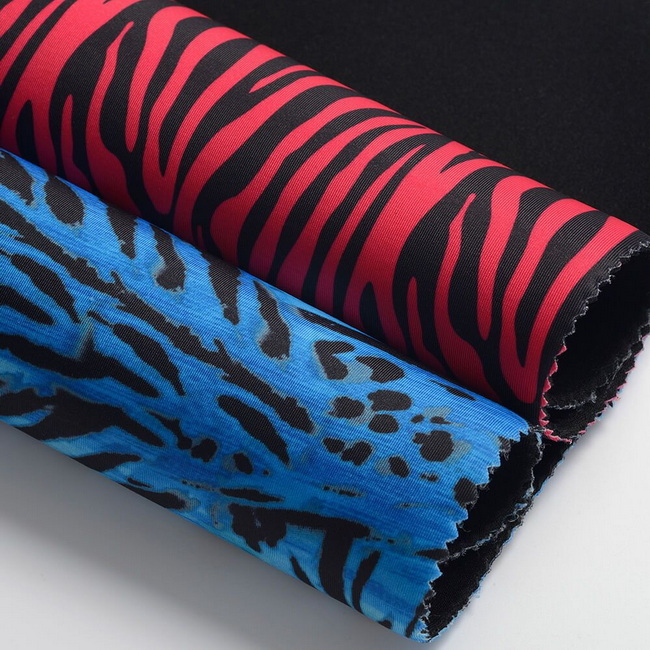
Polyester blends, especially those designed for training or competition, usually offer the strongest chlorine resistance and keep their shape longer than nylon in heavily chlorinated pools.
Nylon usually feels softer and more stretchy, which many people love for beach and resort wear, while polyester is better if you prioritize colorfastness and long‑term durability.
High‑quality recycled nylon and recycled polyester are engineered to match the performance of virgin fibers, so they can be just as durable when properly manufactured and cared for.
Look for medium to heavier fabric weights (around 180–220 g/m²), double‑lining in light colors, and power mesh in strategic areas; very thin or unlined light fabrics are more likely to become transparent.
Pilling is often caused by chlorine, friction with rough surfaces, and lower‑quality fibers; nylon is especially prone to pilling, so choosing higher‑grade fabrics and avoiding rough edges can help your suit look newer for longer.
1. https://bombshellbayswimwear.com/
2. https://swimwearbali.com/the-best-swimsuit-fabric-a-guide-for-swim-labels/
3. https://swimzip.com/pages/guide-to-swimwear-fabrics
4. https://www.patpat.com/blogs/swimwear/which-swimsuit-fabric-is-best-for-you
5. https://argusapparel.com/blog/swimwear-fabrics-guide/
6. https://www.littleoceanheroes.com/post/sustainable-swim-fabric-polyester-vs-nylon-and-little-ocean-heroes-choice
7. https://www.swimsuitcustom.com/blogArticle/how-to-choose-swimwear-fabrics-complete-guide
8. https://spandexpalace.com/blogs/everything-to-know-about-spandex-fabric/understanding-the-difference-between-nylon-spandex-and-polyester-spandex
9. https://baliswim.com
10. https://shop.baliswim.com/pages/fabric-guide


