
Views: 222 Author: Loretta Publish Time: 2026-02-13 Origin: Site


Content Menu
● 1. Understand the Swimwear Market and Find Your Niche
● 2. Define Your Brand Vision and Unique Value Proposition (UVP)
● 3. Structure Your Swimwear Business Plan
● 4. Design a Focused, Commercial Swimwear Collection
● 5. Choose Fabrics and Materials that Match Your Positioning
● 6. Build a Reliable Supply Chain and Manufacturing Strategy
● 7. Develop a Cohesive Brand Identity and Story
● 8. Create a High-Converting Online Presence
● 9. Plan Your Marketing, Content and Launch Strategy
● 10. Map Out Financials, Pricing and Unit Economics
● 11. Track Performance, Optimize and Plan for Growth
● Realistic Timelines for Launching a Swimwear Brand
● Sustainability, Ethics and Compliance in Swimwear
● Working with OEM Swimwear Manufacturers Effectively
● Turn Your Swimwear Business Plan into Production-Ready Collections
● FAQs About Building a Swimwear Business Plan
>> 1. How much does it cost to start a small swimwear brand?
>> 2. How many styles should I launch with?
>> 3. Do I need a business plan if I am self-funded?
>> 4. How can I make my swimwear brand more sustainable?
>> 5. How long does it take to launch a new swimwear line?
Starting a swimwear brand today is more accessible than ever, but competition is intense and mistakes can be expensive. A clear, data-backed business plan helps you move from “nice idea” to a profitable label that can scale with the right manufacturing partners.
This enhanced 11-step swimwear business plan template is designed for new and growing brands that want practical guidance—from market research and brand positioning to pricing, production and growth. You can adapt each step into a formal document for investors, banks or manufacturers.

The global swimwear market is large, growing and highly competitive. Growth is driven by beach tourism, water-based activities, social media influence and rising demand for sustainable, stylish swimwear.
To avoid being just another bikini brand, you need a clearly defined niche and audience segment.
Key angles to research:
- Demographics: age, location, spending power, body shapes, lifestyle.
- Psychographics: values, pain points, style preferences, sustainability expectations.
- Market gaps: underserved sizes, modest swimwear, performance-focused, maternity, plus-size, surf-ready or resort luxury segments.
- Competitors: price ranges, positioning, design style, brand story and marketing channels.
Practical actions:
- Analyze keyword trends for “eco swimwear”, “modest swimwear”, “plus-size bikini” and similar long-tail searches.
- Study top-ranking brands on Instagram, TikTok and marketplaces to see what content resonates and converts.
- Validate interest using simple surveys or waitlists before committing to large production runs.
A strong brand vision explains why your swimwear label exists and what change it brings to the customer's life. Your unique value proposition (UVP) makes your brand easy to remember in one or two sentences.
Examples of UVP directions:
- Fit-first brand solving common fit issues for curvy or petite bodies.
- Travel-ready capsule swimwear with pieces that mix-and-match and dry quickly.
- Eco-conscious swimwear using recycled fabrics and transparent supply chains.
When you write your UVP, make it:
- Specific: who you serve and what problem you solve.
- Differentiated: not just “high quality” or “beautiful designs”.
- Memorable: short enough to be repeated by customers and influencers.
This UVP will guide your logo, tone of voice, packaging, pricing and marketing strategy.
An investor-ready swimwear business plan should follow a clear structure. Even if you are self-funded, this structure forces you to think through key decisions before spending money.
Suggested sections:
1. Executive summary (brand vision, UVP, funding needs, goals).
2. Company overview (founders, location, business model—DTC, wholesale, dropshipping).
3. Market analysis (target audience, size, trends, competitors).
4. Product line overview (styles, fabrics, sizing philosophy, pricing tiers).
5. Marketing and sales strategy (channels, launch plan, retention strategy).
6. Operations and production (manufacturing, quality control, logistics).
7. Financial projections (startup costs, unit economics, cash flow).
8. Risk analysis and contingency plans.
Treat each step in this article as the backbone of a corresponding section in your plan.
A profitable swimwear collection balances creativity with sell-through and margin. Many successful new brands launch with 5–15 SKUs rather than an oversized range that is hard to manage.
Collection planning tips:
- Start with 3–5 core silhouettes: triangle bikini, bralette top, high-waist bottom, one-piece, and a statement style.
- Offer a consistent color story and a limited number of prints to keep inventory manageable.
- Plan size ranges based on your niche—if you focus on inclusivity, invest in extended sizing from launch.
- Create mix-and-match options to increase average order value without multiplying SKUs excessively.
Include technical details such as coverage levels, strap adjustability, cup support and lining choices in your tech packs and plan.
Fabric and trim selection directly impacts comfort, durability, brand positioning and price. Today, many brands highlight sustainable or performance fabrics as part of their core story.
Common swimwear fabric options:
Fabric type | Key benefits | Considerations |
Recycled polyamide | Strong eco story, good stretch and recovery | Higher cost, may require MOQ discussions with suppliers |
Recycled polyester | Good print vibrancy, widely used | Can feel slightly less soft than premium polyamides |
Performance blends | Shape retention, UV protection, chlorine resistance | Needs strict testing and quality control |
Textured fabrics (rib, crinkle) | Trend-led aesthetics, body-flattering texture | May fit tighter, must test fit on multiple body types |
Also plan your lining, hardware (clasps, sliders, rings) and brand labels as part of this step. If you position yourself as sustainable, your plan should clearly state how fabrics, packaging and logistics support that claim.

A strong supply chain turns your ideas into consistent, on-time products. This includes pattern development, sampling, bulk production, quality control, packaging and shipping.
Key decisions to document in your plan:
- Production model: small-batch, made-to-order, pre-order, or standard bulk production.
- Manufacturing partner: OEM/ODM swimwear factory with experience in your price segment and market.
- Minimum order quantities (MOQs): how many pieces per style and color you need to commit to.
- Lead times: pattern making, sample rounds, bulk production and shipping timelines.
- Quality control: fit tests, fabric tests (color fastness, pilling, stretch recovery), and final inspections.
Working with a specialized OEM swimwear factory allows you to leverage existing patterns, materials and production know-how while you focus on brand and marketing.
A strong brand identity makes your swimwear instantly recognizable across your website, social media, packaging and lookbooks. It should translate your UVP into visuals and words.
Elements to define:
- Brand name and tagline that communicate your concept and niche.
- Logo and typography that reflect your positioning (minimal, playful, luxurious, sporty).
- Color palette inspired by oceans, sunsets, tropical tones or clean neutrals.
- Tone of voice (warm and inclusive, aspirational and chic, bold and playful).
Your business plan should show how this brand identity will appear in product design, photography, packaging and customer communication.
Most modern swimwear brands launch digital-first through Shopify or similar platforms. Your website is your main sales engine and must align with your brand and UX best practices.
Essential components:
- Clear homepage hero section: short tagline, strong imagery, primary CTA like “Shop New Arrivals”.
- Product pages with clean photography, size guides, materials, care instructions and fit notes.
- SEO-optimized collection pages targeting key terms such as “sustainable swimwear”, “plus-size bikinis” or “modest one-piece swimwear”.
- Mobile-first design with fast load times and intuitive navigation.
Plan basic email flows (welcome series, abandoned cart, post-purchase) and connect your site with analytics tools to track conversion rates and customer behavior.
Your marketing strategy explains how you will drive traffic, build trust and convert visitors into buyers. In fashion, visibility and brand perception are as important as product quality.
Core channels to consider:
- Social media: Instagram, TikTok and Pinterest for lifestyle visuals, behind-the-scenes and user-generated content.
- Influencer partnerships: micro-influencers with engaged communities often outperform big-name accounts on ROI.
- Content marketing: blog posts on topics like “how to choose the right bikini for your body shape” or “swimwear care tips for longer-lasting pieces”.
- Paid ads: social ads with clear creatives, strong hooks and social proof.
For your launch, plan a countdown campaign with teasers, waitlist sign-ups, influencer previews and launch-day incentives. Include a three-month content calendar and budget estimates in your plan.
Many swimwear brands fail because they miscalculate pricing and profitability. Your business plan should show a realistic path to sustainable margins.
Key financial elements:
- Startup costs: sampling, bulk production, branding, website, photoshoots, packaging, marketing and logistics.
- Cost of goods sold (COGS): fabric, trims, labor, packaging and freight.
- Pricing strategy: keystone (x2), x2.5 or x3 markup depending on your positioning and channel mix.
- Break-even analysis: how many units you need to sell monthly to cover fixed and variable costs.
If you plan wholesale, document both wholesale and retail pricing tiers and how they affect your margins and cash flow.
Once your brand is live, continuous measurement and optimization is essential. Your plan should outline which metrics you will track and how often.
Important metrics include:
- Website conversion rate, add-to-cart rate and checkout completion.
- Average order value and repeat purchase rate.
- Return rates and top reasons for returns (fit, quality, expectation mismatch).
- CAC (customer acquisition cost) and ROAS (return on ad spend) by channel.
Use this data to adjust designs, pricing, marketing messages and even your size curve in future collections. Document how you plan to expand—new markets, new categories (resortwear, activewear), or wholesale partnerships—once you achieve consistent traction.
Timelines are crucial for aligning design, production and marketing. A realistic schedule helps you avoid launching off-season or missing key resort and holiday periods.
Example launch timeline (for a 9–12 month runway):
- Month 1–2: Market research, brand concept, UVP, initial sketches.
- Month 3–4: Fabric selection, tech packs, first samples, fit testing.
- Month 5–6: Final samples, photoshoot planning, website build, email flows.
- Month 7: Bulk production starts, marketing content creation, influencer outreach.
- Month 8: Final QC, inventory received, launch campaign countdown.
- Month 9: Official launch, post-launch optimization based on data.
Including such a timeline in your business plan shows investors and partners that you understand the operational realities of fashion production.
Consumers and retailers increasingly expect clear commitments on sustainability and ethics. Building this into your plan from day one strengthens your brand story and reduces future risk.
Consider addressing:
- Fabric sustainability: percentage of recycled or certified materials used.
- Ethical production: factory certifications, fair labor practices and safety standards.
- Compliance: regulations related to textile labeling, product safety and import or export requirements.
- Packaging and logistics: recycled or biodegradable packaging and optimized shipping to lower emissions.
Clearly state how you will measure and communicate these efforts on your website, hangtags and marketing materials.
Choosing the right OEM swimwear manufacturer is a strategic decision that affects quality, timelines and brand reputation. Many successful brands partner with specialized factories that understand grading, fit, swimwear construction and international standards.
When evaluating a manufacturer, document in your plan:
- Experience with your target markets (for example, Europe, North America, Australia).
- Ability to handle your desired MOQs in both startup and scaling phases.
- Range of available fabrics, trims and printing options.
- Communication and sampling efficiency: how quickly they respond and how many sample rounds they usually need.
A strong partnership with an OEM factory lets you focus more on design, branding and sales while relying on experienced professionals for pattern making, production and quality control.
A well-structured swimwear business plan is only powerful when you turn it into real samples, fitting sessions and sellable collections. Once you have defined your niche, product range, pricing and launch strategy, it is time to work with a specialized OEM factory that can translate your ideas into high-quality garments at scale.
If you are ready to move from planning to production, finalize your tech packs and size charts, shortlist OEM swimwear manufacturers that match your MOQs and quality level, and request sample runs to test fit, fabric and workmanship before placing bulk orders. With the right manufacturing partner and a clear business plan, your swimwear brand can launch with confidence and grow sustainably in a competitive global market.
Contact us to get more information!
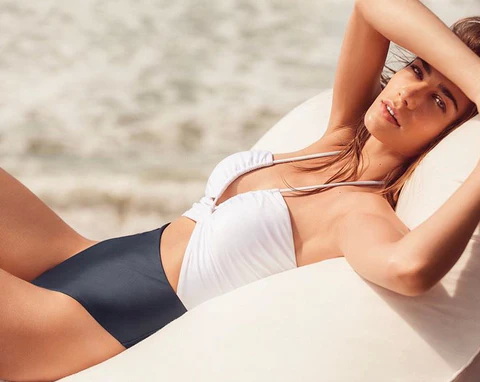
Startup budgets vary widely, but many small labels begin with a few thousand to tens of thousands of US dollars, depending on MOQs, fabric choices, photography and marketing spend. Creating a detailed cost breakdown in your plan helps you understand where to allocate budget for maximum impact.
Most first-time brands launch with 5–15 SKUs to balance variety with manageable inventory. A focused range makes production, cash flow and marketing much easier to control in the first season.
Yes, even self-funded brands benefit from a structured plan that covers market research, pricing, operations and financial projections. It helps you avoid costly mistakes and communicate clearly with manufacturers and collaborators.
You can use recycled or certified fabrics, work with audited factories, choose eco-friendly packaging and optimize shipping routes. Clearly explaining these choices in your plan and marketing builds credibility with eco-conscious customers.
A realistic timeline from idea to launch is usually 9–12 months when you factor in design, sampling, production and marketing preparation. Planning backwards from your target launch season helps you schedule key milestones and avoid delays.
1. https://baliswim.com/11-step-swimwear-business-plan-using-ai/
2. https://swimwearbali.com/12-step-swimwear-business-plan-template-a-guide-to-achieving-success-in-swimwear-fashion/
3. https://www.printful.com/blog/how-to-start-a-swimwear-line
4. https://www.fortunebusinessinsights.com/swimwear-market-103877
5. https://www.cognitivemarketresearch.com/swimwear-market-report
6. https://www.lezhougarment.com/how-to-make-a-swimwear-business-plan/
7. https://businessplan-templates.com/products/swimwear-store-business-plan
8. https://businessplankit.com/blogs/opening/swimwear-store
9. https://thefashionbusinesscoach.com/blog/startaswimwearline
10. https://www.swimsuitcustom.com/blogArticle/start-swimwear-brand-2025


