
Views: 222 Author: Loretta Publish Time: 2026-02-11 Origin: Site


Content Menu
● What Makes a Great Women's Lifeguard Swimsuit in 2026?
● One‑Piece Lifeguard Swimsuits: When a Traditional Suit Is Best
● Lifeguard Bikinis and Two‑Piece Suits: When More Flexibility Helps
● Lifeguard Swimsuit Size Charts and Getting the Right Fit
>> How to Use a Lifeguard Size Chart Effectively
● Fabric Technology: Lycra vs Polyester and Chlorine‑Resistant Blends
>> Key Fabric Types for Women's Lifeguard Swimsuits
● Comfort, Coverage, and Dress Code Compliance
>> Balancing Coverage and Mobility
● Lifeguard Branding: Swimwear with Logos and Customization
● Practical Lifeguard Swimsuit Maintenance Tips
● Safety and Performance Considerations for Professional Lifeguards
● OEM and Bulk Buying Considerations for Brands and Facilities
● Quick Comparison: One‑Piece vs Two‑Piece Lifeguard Swimsuits
● Step‑by‑Step Checklist for Choosing Your Women's Lifeguard Swimsuit
● Call to Action: Plan Your Next Lifeguard Swimwear Order
● FAQs About Women's Lifeguard Swimsuits
>> 1. How tight should a women's lifeguard swimsuit be?
>> 2. Which fabric lasts the longest in chlorinated pools?
>> 3. Is a two‑piece lifeguard suit professional enough for work?
>> 4. How many lifeguard swimsuits should I own for a full season?
>> 5. What features should facility managers prioritize when buying in bulk?
Choosing the right women's lifeguard swimsuit is about much more than style – it directly affects safety, performance, comfort, and how professional you look on duty. Whether you are a working lifeguard, a facility buyer, or a brand planning an OEM swimwear line, understanding fit, fabric, coverage, and customization options will help you make smarter, longer‑lasting choices.
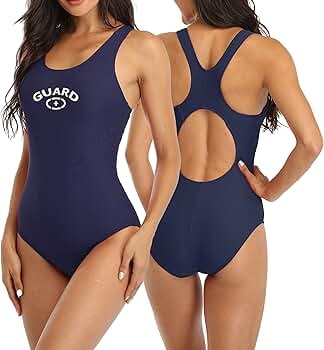
A high‑quality lifeguard suit has to handle long hours in sun and water, sudden rescues, and frequent washing without stretching out or fading. Beyond basic aesthetics, focus on durability, coverage, freedom of movement, and clear “LIFEGUARD” identification.
Key elements to prioritize:
- Performance fit that stays in place during jumps, dives, and rescues.
- Chlorine‑resistant and UV‑resistant fabric to extend lifespan and color vibrancy.
- Appropriate coverage that fits your workplace dress code and personal comfort.
- Visible logos or text to identify lifeguards quickly in crowded pools or beaches.
A traditional one‑piece lifeguard swimsuit remains the most common choice for professional female lifeguards. These suits often use racerback or keyhole backs and offer reliable coverage that feels secure in both deep and shallow water.
Choose a one‑piece if you:
- Need maximum coverage to reduce sunburn risk or follow a conservative dress code.
- Spend a lot of time teaching classes, doing frequent rescues, or swimming laps during your shift.
- Prefer a streamlined, hydrodynamic silhouette with minimal drag and fewer moving parts.
Look for one‑piece suits that:
- Use polyester or polyester‑rich blends for superior chlorine resistance.
- Have a secure back design (racer, cross‑back, or fixed straps) that will not slip when you dive.
- Include fully lined fronts for coverage and opacity, even when wet.
In hot climates or more relaxed environments, a lifeguard bikini or two‑piece set can be a practical and comfortable choice. These designs are built for sport and training, not fashion beachwear, and prioritize secure support and movement.
Choose a two‑piece lifeguard suit if you:
- Work in very warm outdoor conditions where breathability and cooling matter.
- Need maximum flexibility for running, drills, and surf rescues.
- Prefer mixing sizes (different top and bottom sizes) for a more tailored fit.
For performance‑ready lifeguard bikinis, look for:
- Sports‑bra style tops with racerback or cross‑back straps and strong under‑bust support.
- Drawcord or elasticated bottoms that stay put in waves or during fast entries.
- High‑quality Lycra or polyester blends that resist bagging and sagging over time.
Even the best fabric and design will fail if the sizing is wrong, so fit is non‑negotiable for lifeguards. Lifeguard suits are intentionally designed to feel a little snug, so they do not create drag or shift when you are moving quickly in the water.
Most professional brands and OEM factories use size charts based on bust, waist, hip, and torso measurements. For women's lifeguard suits, sizes often track standard women's apparel sizes (for example, XS ≈ US 2, S ≈ US 4, M ≈ US 6–8), but each brand's chart must be checked carefully.
Follow these steps for a better fit:
1. Measure accurately
- Bust: fullest part of the chest.
- Waist: narrowest part of the torso.
- Hips: around the fullest part of the hips and seat.
- Torso: from shoulder, through legs, and back to shoulder.
2. Compare with the size chart rather than guessing based on your usual fashion size.
3. Decide on fit preference:
- Slightly tighter, performance fit for training and frequent rescues.
- Slightly more relaxed fit for long sedentary shifts with fewer in‑water duties.
Fabric is one of the most important choices you will make because it determines how long your suit lasts and how it feels for hours on duty. Lifeguards need fast‑drying, durable, colorfast fabrics that keep their shape even after heavy exposure to chlorine, UV, and salt.
- Polyester (or polyester‑rich blends)
- Excellent chlorine resistance and UV stability; often lasts many times longer than standard spandex suits.
- Holds shape well and resists bagging, ideal for high‑use pool environments.
- Lycra / Spandex blends
- Provide superior stretch and comfort, often used in performance swimwear.
- May feel softer and more flexible but typically have shorter lifespans in heavily chlorinated pools unless reinforced with chlorine‑resistant technology.
- Chlorine‑resistant special blends
- Engineered to last significantly longer than regular spandex in pool conditions.
- Ideal for full‑time lifeguards, clubs, and facilities that want to reduce replacement frequency.
When evaluating fabric descriptions, prioritize:
- Chlorine‑proof or chlorine‑resistant claims backed by performance hour ratings.
- Fully lined construction for opacity and support.
- UPF 50+ protection when working outdoors for long shifts.
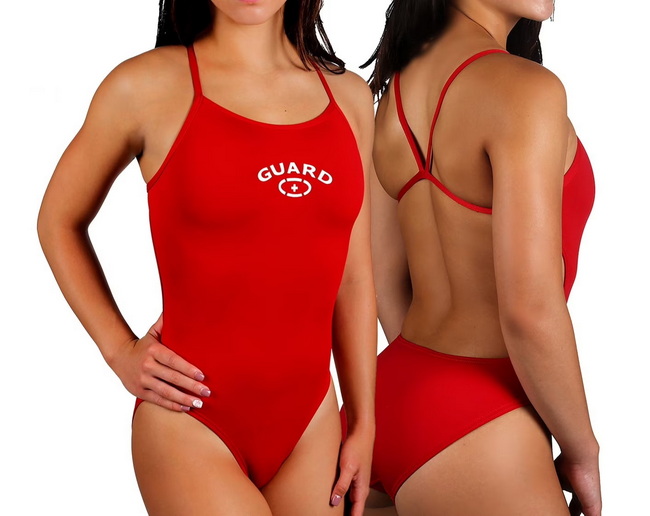
A great lifeguard swimsuit should feel secure, professional, and comfortable from the first minute of your shift to the last. It also needs to match your employer's dress code and the expectations of your workplace, whether that is a family pool or an open ocean beach.
- Choose medium to high necklines to avoid unwanted exposure when leaning, diving, or climbing ladders.
- Opt for moderate to full bottom coverage, especially in family‑oriented venues or conservative facilities.
- Make sure leg openings are high enough for mobility, but not so high that you feel self‑conscious or exposed.
Always double‑check your employer's policy for:
- Approved colors (commonly red, navy, or black with “LIFEGUARD” logo).
- Allowed one‑piece vs two‑piece options.
- Rules on visible logos and branding, especially in municipal or public settings.
Clear identification saves time in emergencies, so lifeguard swimwear with logos is more than just a branding choice – it is part of your safety system. Many professional suppliers offer suits with printed or embroidered “LIFEGUARD” text, facility names, or logos on the chest, back, or hip.
Typical customization options include:
- Front chest text (“LIFEGUARD”) in high‑contrast colors.
- Back or hip logos for facilities, resorts, or city programs.
- Matching logo placements across one‑piece suits, bikinis, and rash guards for cohesive team identity.
For brands or facilities working with OEM manufacturers, customization can also cover:
- Pantone‑matched brand colors.
- Custom elastic, binding, and strap colors.
- Placement of heat‑transfer or sublimation logos designed to resist cracking and fading in chlorinated water.
Even a top‑tier suit will wear out quickly if you do not care for it correctly. Simple, consistent maintenance can significantly extend lifespan and keep the fabric looking professional.
Daily care checklist:
1. Rinse immediately with cool fresh water after every shift to remove chlorine, salt, and sunscreen residues.
2. Hand‑wash gently with mild soap; avoid harsh detergents, bleach, or fabric softener.
3. Do not wring or twist the suit; press it gently in a towel to remove excess water.
4. Air‑dry flat in the shade, avoiding direct sun and tumble dryers to prevent fiber breakdown.
5. Rotate between at least two suits if you work multiple days per week, so each suit has time to recover its shape.
The right swimsuit can improve your reaction time and confidence in emergencies. Loose, baggy, or poorly fitted suits can slow you down, catch on equipment, or cause distraction at critical moments.
To support peak performance:
- Prioritize supportive strap designs that stay locked in place when you dive, sprint, or use rescue equipment.
- Avoid suits with bulky hardware, zippers, or metal pieces that could snag on rescue tubes, chairs, or rails.
- Choose fabrics with 4‑way stretch that allow full range of motion without cutting into shoulders or hips.
For team supervisors and facility managers, it is smart to:
- Standardize a small set of approved models so all guards benefit from similar performance and appearance.
- Collect feedback from staff about fit, durability, and comfort after a season, then adjust future orders.
If you are a swimwear brand, wholesaler, or facility buyer, OEM manufacturing can give you better control over cost, branding, and technical specifications. Partnering with a specialized swimwear factory allows you to design lifeguard suits tailored to your market and climate.
When planning an OEM lifeguard swimwear line, focus on:
- Target user profile: full‑time professional lifeguards vs seasonal staff vs junior programs.
- Core fabric strategy: choose one or two main fabric systems (for example, chlorine‑proof polyester for pools, UV‑focused blends for beaches).
- Size range and grading: ensure inclusive sizing with clear charts and testing on real users.
- Logo and color consistency across one‑piece, two‑piece, and training suits to reinforce brand identity.
A reliable OEM partner can also advise on minimum order quantities, testing standards, and compliance with regional regulations on textiles and labeling.
Feature | One-Piece Lifeguard Suit | Two-Piece / Bikini Lifeguard Suit |
Coverage | Higher coverage, more conservative. | Less coverage, cooler in hot climates. |
Movement | Very secure with minimal drag. | High flexibility for running and surf conditions. |
Dress code fit | Preferred in family pools, public facilities. | Often allowed in relaxed or beach settings. |
Comfort in heat | Warmer, better sun protection. | Cooler, more breathable but higher sunburn risk. |
Sizing flexibility | Single size for whole body. | Mix-and-match top and bottom sizes. |
Best for | Pools, classes, conservative venues. | Beaches, hot climates, active surf lifeguards. |
Use this simple 6‑step process to choose your next suit with confidence.
1. Confirm workplace rules
- Check allowed colors, one‑piece vs two‑piece, logo requirements, and coverage standards.
2. Decide on style
- Choose between one‑piece for maximum coverage and professionalism or two‑piece for heat relief and flexibility.
3. Select the fabric system
- For heavy pool use, prioritize chlorine‑resistant polyester.
- For mixed use, consider a performance blend that balances stretch and durability.
4. Check the size chart and fit notes
- Take measurements, compare with charts, and note brand‑specific guidance.
5. Evaluate practical details
- Look for lined fronts, secure straps, non‑transparent fabrics, and visible lifeguard logos.
6. Plan for maintenance
- Commit to rinsing, gentle washing, and air‑drying to extend the life of your suit.
Whether you are a professional lifeguard, a pool or resort buyer, or a brand developing an OEM lifeguard line, now is the time to finalize your swimwear strategy for the upcoming season. A thoughtfully chosen suit reduces replacement costs, improves performance, and helps your team look professional on duty. To explore customized lifeguard swimwear solutions, contact a specialized swimwear OEM manufacturer today and start designing suits that match your safety standards, branding, and budget.
Contact us to get more information!
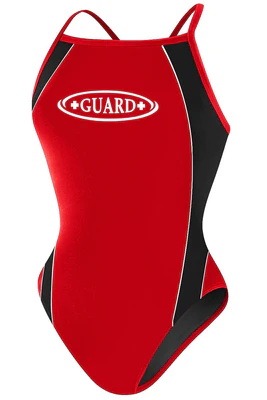
A lifeguard swimsuit should feel snug but not painful, with no gaping at the chest, back, or leg openings. It needs to be tight enough to avoid drag and shifting during rescues but still allow full breathing and shoulder movement.
Polyester‑rich or chlorine‑proof performance fabrics typically last far longer than standard nylon‑spandex blends. If you work in a heavily chlorinated indoor pool, choosing these fabrics can significantly extend the life and color of your suit.
In many outdoor or beach environments, a well‑designed sports bikini style with secure straps and bottoms is considered professional, especially when it carries clear “LIFEGUARD” logos. Always confirm with your employer's dress code before choosing a two‑piece.
Most full‑time lifeguards benefit from at least two to three suits, rotated regularly to allow proper drying and fabric recovery. This helps maintain elasticity, prevents odors, and gives you a backup if one suit is damaged.
Facility and program managers should focus on durable chlorine‑resistant fabric, clear lifeguard logos, consistent sizing, and reliable supplier quality control. These factors reduce replacement costs, keep staff looking professional, and improve safety visibility around the water.
1. https://jolyn.com/blogs/jolyn-clothing/tips-to-buying-a-womens-lifeguard-swimsuit
2. https://jolyn.com/blogs/jolyn-clothing/the-essential-guide-to-lifeguard-swimsuits
3. https://thelifeguardstore.com/blog/post/swimsuit-buying-guide-lifeguards.html
4. https://www.originalwatermen.com/blog/approved-lifeguard-swimwear-swimsuits/
5. https://www.originalwatermen.com/blog/the-lifeguard-bikini-swimsuit-guide/
6. https://www.originalwatermen.com/blog/womens-lifeguard-swimsuit-sizes-find-the-perfect-fit/
7. https://lifeguard-outlet.com/product/the-original-watermen-surf-bikini-top/
8. https://elsmoreswim.com/pages/buying-your-first-jolyn-swimsuit-here-s-what-to-know


