
Views: 222 Author: Loretta Publish Time: 2026-02-07 Origin: Site


Content Menu
● How to Choose the Best Women's Water Polo Suit (Fit, Fabric, Performance & Budget)
>> What Makes a Water Polo Suit Different?
● The “Five F's” Framework – Updated for Modern Water Polo
>> Fabric – Durability, Chlorine Resistance, and Stretch
>> Fit – How Tight Should a Women's Water Polo Suit Be?
>> Fashion – Performance‑First Design, Not Runway Style
>> Functionality – How All Elements Work Together
>> Funds – Budgeting for Practice vs Match Suits
● Key Technical Features to Check Before You Buy
>> Zipper System and Back Construction
>> Seams, Lining, and Stitching Quality
>> Chlorine and UV Resistance for Long Seasons
● One‑Piece vs Two‑Piece for Women's Water Polo
>> Why One‑Piece Suits Dominate in Competition
>> When Two‑Piece Options Make Sense
● Women's Water Polo Suit Features – Quick Comparison Table
● Practical Buying Guide for Players, Teams, and OEM Buyers
>> Steps for Individual Players Choosing Their First Polo Suit
>> Tips for Teams and Clubs Ordering in Bulk
>> What OEM and Private Label Buyers Should Specify to Manufacturers
● Care and Maintenance – Make Your Polo Suit Last Longer
● Common Fit and Performance Mistakes to Avoid
● When to Replace a Women's Water Polo Suit
● Ready to Develop or Source Women's Water Polo Suits?
● FAQs About Women's Water Polo Suits
>> 1. How tight should a women's water polo suit be?
>> 2. Can I use a regular training swimsuit for water polo?
>> 3. How many suits does a competitive player need per season?
>> 4. What is the best fabric for women's water polo suits?
>> 5. How do I choose sizes for a whole team or club order?
Choosing the right women's water polo suit is less about beach style and more about performance, durability, and protection in one of the most physical water sports. Whether you are a competitive player, a club coach, or a brand/buyer working with an OEM swimwear factory in China, understanding how a polo suit should fit, feel, and perform will directly impact comfort, confidence, and game results.

Unlike fashion swimsuits, water polo suits are designed as protective sports equipment that must withstand constant grabbing, contact, and high‑intensity movement. They use thicker, more durable fabric, a tighter pattern, higher necklines, and secure back closures to reduce drag and prevent opponents from pulling or tearing the suit during play.
Main differences vs. regular swimsuits:
- Thicker, chlorine‑resistant fabric for maximum durability.
- Very tight, compressive fit to reduce loose areas and grab points.
- High neck, full‑coverage back, and secure zipper closure.
- Double lining and reinforced seams for extra strength and opacity.
Suggested visual here: a diagram comparing a regular fashion one‑piece vs a women's water polo suit (highlighting neckline, back coverage, zipper, and fabric thickness).
The “Five F's” — Fabric, Fit, Fashion, Functionality, Funds — offer a clear checklist for choosing a women's water polo suit. Below is an expanded, practical version tailored to today's materials, performance demands, and buying options.
The most important quality of a water polo suit is durable, grab‑resistant fabric that can handle repeated training sessions and physical matches.
Key fabric characteristics to look for:
- Polyester‑rich blends (for example, PBT/polyester): highly chlorine‑resistant, colorfast, and long‑lasting.
- Low or controlled stretch: enough flexibility to move freely, but not so stretchy that opponents can grab and pull.
- Double lining: extra layer inside the suit to improve coverage, stability, and resistance to tearing.
- UV resistance: helps maintain color and fabric strength for outdoor play.
Many performance suits use compositions that prioritize hardness and long‑term shape retention.
Pro tip for buyers and OEM brands: specify chlorine‑proof polyester and double‑lined construction in your technical requirements to reduce returns and complaints over sagging or fading.
A correctly sized water polo suit generally feels tighter than a normal training swimsuit, especially when dry. It should minimize any extra fabric that can be grabbed, while still allowing full range of motion for swimming, shooting, and eggbeater kicks.
Signs of a proper performance fit:
- The suit feels snug, almost uncomfortably tight when first tried on, but without restricting breathing or arm movement.
- No gapping at the neck, underarms, or back zipper area.
- Leg openings sit stable on the hip without rolling or sagging.
- When you twist, jump, or raise your arms, the suit stays in place.
What to avoid:
- Visible folds or wrinkles in the torso area.
- Loose fabric around the chest or back that can be grabbed.
- A zipper that bends, gaps, or opens slightly during movement.
Sizing tip: always check the brand's size chart and, if in doubt between two sizes, many competitive players choose the smaller size for game suits and a slightly looser option for training suits.
In water polo, fashion is secondary to function, though modern teams still have many color and print options. The core design features focus on coverage, protection, and hydrodynamics.
Typical design features of a women's polo suit:
- High neckline to protect the chest from grabbing and impacts.
- Full‑coverage back made from a solid fabric panel, often with a zipper.
- Narrow but secure shoulder straps that distribute pressure while staying in place.
- Polo‑cut leg line that balances coverage and freedom of movement.
Teams can still customize colors, logos, and prints on top of this performance‑driven base pattern, especially when working with OEM manufacturers.
An excellent women's water polo suit integrates fabric, fit, and design into a single, functional piece of equipment that supports performance instead of distracting from it.
Core functional goals:
- Grab‑resistance: tight fit, reinforced seams, secure zipper, and minimal extra fabric.
- Freedom of movement: pattern and strap placement that allow full arm rotation and strong eggbeater kicks.
- Durability under stress: stitches and fabric that survive repeated pulls, grabs, and daily chlorine exposure.
- Comfort over a full match: compression without cutting or chafing, especially at shoulders, neck, and legs.
When evaluating samples, players should simulate game conditions: stretch, twist, and mimic defending or shooting to check whether the suit stays in place.
Women's water polo suits typically cost more than regular swimsuits because they use more fabric, specialized patterns, and stronger materials.
Typical price ranges (retail):
- Competition suits: around 70–80 USD, or higher for premium brands.
- Training or practice suits: often starting in the 30–60 USD range.
For teams and bulk buyers:
- Many clubs maintain one premium game suit and several practice suits per player to balance performance and cost.
- OEM manufacturing and bulk orders can significantly lower unit costs while allowing full customization of colors and logos.
Suggested visual here: a simple bar chart comparing average retail prices of practice vs competition women's water polo suits.
Beyond the Five F's, there are specific technical details that strongly influence performance and longevity.
Most women's water polo suits use a back zipper to balance coverage and ease of wearing.
Look for:
- Heavy‑duty zipper with lock or cover to prevent accidental opening.
- Secure seam reinforcement around the zipper line.
- Pull cord long enough for the player to zip up independently, but not so long that it becomes a snagging hazard.
Front zippers are generally not preferred for competitive play, as they tend to be more stretchy and can be easier to grab.
High‑quality stitching and seam placement are critical for comfort and durability.
Checklist:
- Flat seams where possible to reduce chafing.
- Reinforced stress areas (shoulders, zipper ends, leg openings).
- Full front lining or full suit lining for opacity and extra tear resistance.
Double‑lined suits feel slightly tighter but tend to last longer and maintain coverage when stretched.
Competitive players often train daily or multiple times per week, which exposes suits to a lot of chlorine and sun.
To extend suit life:
- Choose fabrics marketed as “chlorine‑proof” or with high polyester content.
- Prefer suits with UV‑resistant treatments if you train outdoors.
- Rinse suits with fresh water immediately after each session and air dry away from direct heat.
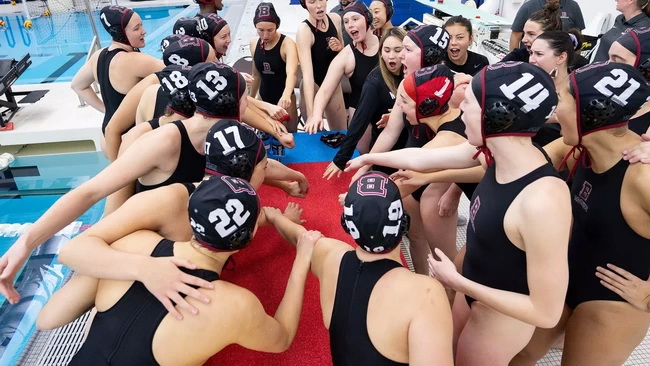
While the standard for official matches is the one‑piece water polo suit, some players also use two‑piece sets in certain training situations.
One‑piece women's polo suits are the default choice at all competitive levels because they offer secure coverage and fewer grab points.
Advantages:
- Full torso coverage, reducing the risk of wardrobe malfunctions.
- More uniform compression and better drag reduction.
- Less risk of the suit shifting during physical contact underwater.
Two‑piece performance swimsuits can be used for:
- Dry‑land training combined with pool segments.
- Technique drills or low‑contact swim sets.
- Athletes who prefer more comfort during casual practice.
However, two‑piece suits are not recommended for full‑contact scrimmages or official games due to increased risk of displacement and grabbing.
Feature | Water Polo Suit (Women) | Regular One-Piece Swimsuit |
Primary purpose | Contact, competition, durability | General swimming, leisure, light training |
Fabric | Thick, polyester-rich, chlorine-proof | More elastic, often nylon or spandex mixes |
Fit | Very tight, compressive, minimal gapping | Snug but more forgiving, comfort-focused |
Neckline | High, grab-resistant | Varies widely, often lower |
Back | Full coverage with zipper | Open back or fashion designs |
Lining | Double front or full suit | Single lining common |
Price range (retail) | About 30–80+ USD | Wide range; many cheaper options |
Ideal usage | Matches, club training, high-contact drills | Recreation, lap swimming, casual beach use |
1. Clarify usage
Decide if this suit is for competition, daily training, or both, as this affects how tight you can tolerate the fit and how much you want to spend.
2. Check size charts and reviews
Use the brand's specific size chart and read feedback from other water polo players, especially those with a similar height and body type.
3. Prioritize fabric and coverage
Look for polyester‑based, chlorine‑resistant fabric, double lining, high neck, and full‑back coverage.
4. Test range of motion at home
When you try the suit on, mimic swimming strokes, shooting, and eggbeater; ensure the suit does not gap or dig painfully at the shoulders.
5. Plan for a break‑in period
A high‑performance suit will feel very tight at first and gradually mold to your body after several sessions.
Teams and clubs often order custom‑printed suits with logos and specific color schemes.
Key points to manage:
- Collect accurate measurements from all players (torso length, bust, hip).
- Order at least one or two fit samples per size before finalizing a big order.
- Decide clearly on game suits vs training suits, as some clubs choose different designs and thickness levels.
- Coordinate design files (logos, colors, placements) with the manufacturer early in the process.
OEM swimwear factories can support team customization, branding, and size grading for different countries and leagues.
For brands, wholesalers, and importers developing their own private label water polo line, clear technical specifications are essential.
Important parameters to define:
- Fabric: exact composition, fabric weight, chlorine and UV resistance level.
- Construction: double lining zones, zipper type, seam type, reinforcement points.
- Pattern and coverage: neckline height, leg cut, back pattern, strap shape and width.
- Sizing system: US, EU, or UK size mapping and tolerances for key measurements.
- Branding: logo position, printing method, color fastness requirements.
Working closely with an experienced Chinese OEM swimwear factory that already produces athletic and water polo suits can speed up sampling and reduce fit issues.
Suggested visual here: a simple process flowchart showing steps from concept to tech pack, sampling, fit test, and bulk order.
Proper care can significantly extend the life of a women's water polo suit, especially under heavy training loads.
Best practices:
- Rinse with cool fresh water immediately after each session to remove chlorine and salt.
- Gently squeeze out water, avoiding twisting or wringing the fabric.
- Air‑dry flat in the shade, away from direct sunlight and heaters.
- Rotate between at least two suits if you train multiple times per week.
Avoid:
- Hot water, bleach, and strong detergents.
- Tumble dryers or radiators.
- Sitting for long periods on rough pool edges that can create pilling or tears.
Even experienced players sometimes make choices that hurt comfort or performance.
Frequent mistakes:
- Choosing a fashion‑style or front‑zip swimsuit for competitive matches.
- Ordering based only on street clothing size without checking swim‑specific charts.
- Ignoring subtle gapping at the neck or back that becomes a target during games.
- Using the same worn‑out training suit for official tournaments.
Correcting these details can dramatically improve both confidence and freedom of movement in the water.
Even the best suit will eventually wear out after long exposure to chlorine and contact.
Signs it is time to replace your suit:
- Fabric feels noticeably thinner or “loose” in high‑stress areas.
- Colors fade significantly, especially at shoulders and chest.
- Seams begin to fray or show small splits.
- The suit no longer maintains a tight, stable fit during hard movements.
Competitive players and college teams often rotate new match suits every season, while practice suits are replaced as needed based on training volume.
If you are a brand owner, wholesaler, or club buyer, partnering with a specialized swimwear OEM factory in China can help you build a tailored line of women's water polo suits that matches your market's performance and price expectations. With the right technical specifications and fit standards, you can offer athletes suits that are durable, secure, and game‑ready, while still reflecting your own branding and team identity.
If you are planning your next season's gear or looking to launch a custom women's water polo collection, prepare a simple specification sheet (target market, fabric, coverage, sizing, and budget) and contact a professional OEM swimwear manufacturer to start sampling and quoting. The earlier you begin this process, the better your chances of having high‑performance, fully customized suits ready before your next competition schedule.
Contact us to get more information!
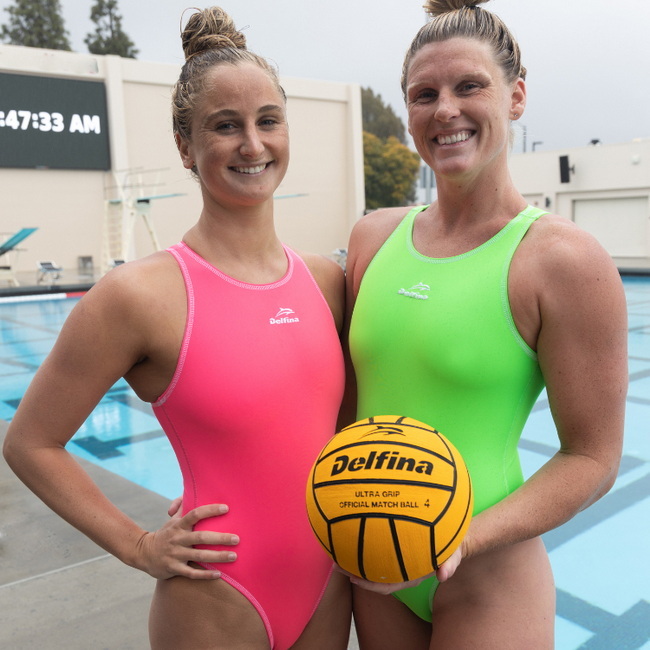
A proper polo suit should feel very snug and compressive, with almost no extra fabric, but it should not restrict breathing or arm movement. It will relax slightly after a few training sessions as the fabric molds to your body.
You can use a regular one‑piece for very casual play, but it typically lacks the high neck, secure zipper, and reinforced fabric needed for full‑contact water polo. For official matches and intense training, a purpose‑built women's water polo suit is strongly recommended.
Most competitive players keep at least one main competition suit and one to two practice suits, rotating them to reduce wear. Elite or college athletes who train daily may use more practice suits to avoid over‑stretching any single one.
Polyester‑rich fabrics, often blended with PBT, are widely considered the best choice because they are chlorine‑resistant, colorfast, and maintain their shape under stress. Nylon or spandex blends feel softer but generally wear out faster in heavily chlorinated pools.
Start by collecting basic measurements for each player and compare them carefully with the manufacturer's size chart. Order a full size run of samples first, test them in the water, and then finalize your bulk order once players confirm comfort and coverage.
1. https://jolyn.com/blogs/jolyn-clothing/how-to-choose-a-womens-water-polo-suit
2. https://jolyn.com/pages/water-polo-suits
3. https://www.swimoutlet.com/collections/womens-water-polo-suits-20982
4. https://www.dolfinswimwear.com/collections/dolfin-swimwear-women-water-polo
5. https://turboswim.com/en/women/water-polo-suits-/
6. https://www.swim2000.com/collections/womens-water-polo-suits
7. https://www.reddit.com/r/waterpolo/comments/q2vrnc/how_is_a_womens_water_polo_suit_supposed_to_fit/
8. https://www.kap7.com/blogs/water-polo-blog/one-piece-vs-two-piece-suits-the-guide-for-women-s-water-polo
9. https://srsport.com/blog/onepiece-vs-twopiece-swimsuits/


