
Views: 222 Author: Yongting Swimwear Publish Time: 2026-06-06 Origin: Site


Content Menu
● How we evaluate high‑quality suppliers
● Technical considerations for swimsuit cover ups
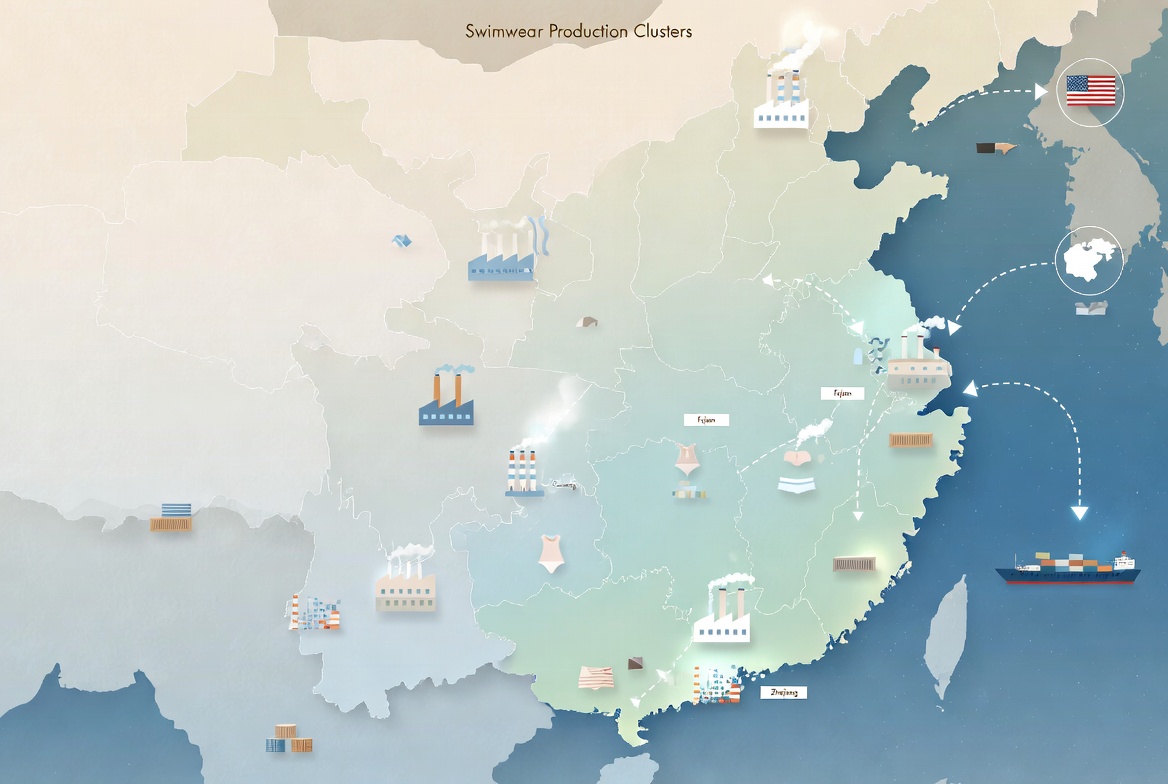
● China's manufacturing cluster advantages
● Selection criteria for this Top 10 list
● Top 10 swimsuit cover up manufacturers in China (2026)
>> 1. Dongguan Yongting Clothing Co., Ltd.
>> 5. Wisrose Garment Co., Ltd.
>> 7. Zhongshan Enjoy Apparel Co., Ltd. (Enjoy Apparel)
>> 9. Appareify
>> 10. Ally Swimsuit Co., Ltd.
● Comparison of key manufacturers
>> Capacity, MOQ, and focus overview
● Common sourcing pain points and how to avoid them
● Insider "trap" rarely discussed: trim substitution
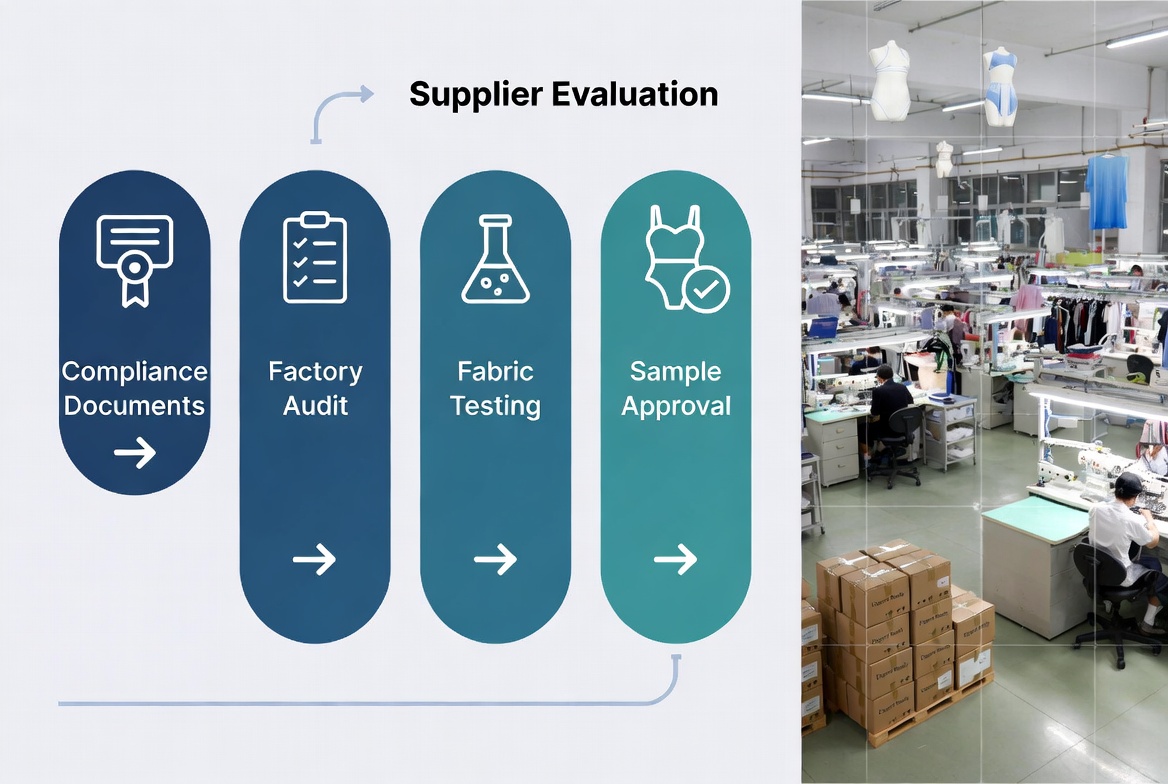
● Buyer's guide: due diligence and workflow
>> Verifying factory credentials
>> Sample and approval process
● FAQ: advanced questions from professional buyers
>> 1. How can I verify whether a Chinese factory's ISO 9001 certificate is still valid?
>> 2. What MOQ range should I expect for swimsuit cover ups when testing a new collection?
>> 3. How do I confirm that recycled nylon or ECONYL claims are genuine?
>> 4. What payment terms are standard, and how can I control risk on first orders?
>> 5. How long should I allow from first sampling to delivery in Europe or North America?
China has become the primary production base for swimsuits and beach cover ups, supplying over 70% of global swimwear with mature clusters in provinces like Guangdong and Liaoning and highly optimized export supply chains for international brands. For professional buyers, these clusters combine competitive pricing, advanced materials, and reliable OEM/ODM capabilities, making China a strategic long‑term sourcing hub for swimsuit cover ups. [yong-ting]
When assessing swimsuit cover up manufacturers, professional procurement teams should apply a structured framework that goes beyond FOB price comparisons. Reliable partners typically combine verifiable certifications, transparent QC systems, and consistent export performance with clear communication and realistic capacity planning. [linkedin]
Key evaluation dimensions:
- Factory certifications and compliance: ISO 9001 for quality management, OEKO‑TEX for chemical safety, and where applicable BSCI/SEDEX for social compliance, all verified through CNCA/CNAS or the issuing body's database. [chinacheckup]
- R&D and pattern development capability: In‑house designers and pattern makers who understand swimwear and cover up silhouettes, UPF performance, and grade patterns accurately across sizes to reduce fit issues. [yong-ting]
- Material and trim sourcing: Stable relationships with mills supplying nylon‑spandex, polyester mesh, chiffon, and sustainable options like ECONYL or GRS‑certified recycled fabrics, plus robust trim supply to avoid substitutions. [yong-ting]
- QC processes and infrastructure: Multiple checkpoints from incoming fabric inspection, in‑line QC, and final AQL-based inspections, supported by documented procedures and dedicated QC staff. [shanghaigarment]
- Capacity and lead time stability: Transparent monthly capacity (e.g., 50,000–200,000 pieces) matched with realistic lead times of 45–60 days, and clear peak/low-season planning around Chinese holiday schedules. [yong-ting]
- OEM/ODM service depth: Ability to provide design input, tech packs, sample iterations, and IP protection (e.g., NDAs, controlled sample handling) for long‑term brand development. [yong-ting]
- Communication and project management: English‑speaking merchandisers, regular progress updates, and structured issue‑resolution processes that treat the buyer as a partner rather than a one‑off order. [linkedin]
Swimsuit cover ups sit at the intersection of fashion, function, and compliance; fabric and construction choices directly affect user experience and claim substantiation. Procurement managers should define technical specs clearly in tech packs to avoid ambiguity during production. [alibaba]
Key technical factors:
- Materials and fabric weights: Common options include lightweight chiffon and mesh in the 150–180 GSM range for airy, packable pieces, and 180–220 GSM knits or wovens for higher opacity and structure. [yong-ting]
- Stretch and recovery: Blends with up to 15% spandex/elastane are used when cover ups need functional stretch, especially for active or hybrid "beach‑to‑street" styles. [alibaba]
- Colorfastness and durability: For beach environments, buyers should target at least Grade 4 for chlorine and sea water fastness and Grade 4–5 for light fastness to prevent early fading. [yong-ting]
- Functional finishes: Quick‑dry, anti‑wrinkle, anti‑microbial, and UV protection (UPF 30–50+) finishes are increasingly important for consumer differentiation, especially in premium or performance segments. [alibaba]
- Environmental certifications: OEKO‑TEX Standard 100 ensures restricted substances are controlled, while GRS certifies recycled content claims; both are increasingly requested by EU and North American retailers. [360iresearch]
China's swimsuit and cover up manufacturing strengths are rooted in dense regional clusters that integrate textiles, accessories, and logistics. Cities like Dongguan and Guangzhou in Guangdong province and coastal hubs such as Xingcheng have built vertically integrated ecosystems spanning fabric knitting, dyeing, cutting, sewing, printing, and consolidation for export. [yong-ting]
- Output dominance: Chinese factories collectively produce hundreds of millions of swimwear pieces annually, with some hubs like Xingcheng alone handling around 170 million pieces valued at billions of yuan. [yong-ting]
- Supply chain integration: Local access to mills, trim suppliers, printers, and packaging plants reduces lead time, while established export corridors support consistent delivery to Europe, North America, and emerging markets. [360iresearch]
- Scale plus segmentation: Within the same cluster, buyers can find both high‑volume mass‑market suppliers and specialized factories focused on premium, sustainable, or niche technical products. [yong-ting]
This Top 10 list focuses on manufacturers with proven track records in swimwear and cover ups, evaluated against criteria that reflect the needs of overseas brand owners and sourcing managers. Each factory has demonstrable OEM/ODM capabilities, export experience, and documented strengths for specific buyer segments. [yong-ting]
Core screening criteria:
- Verified factory profile: Physical facilities, workforce size, and monthly output clearly disclosed and cross‑checked with export clients or public sources. [yong-ting]
- Certifications and compliance: At minimum, clear evidence of quality and/or social compliance systems, and willingness to share certification documents. [chinacheckup]
- Production capacity and MOQ: Capacity typically between 90,000–200,000 pieces per month with MOQs from 500–1,500 pieces per style, suitable for both emerging and established brands. [yong-ting]
- OEM/ODM depth: Availability of design and technical support for new collections, plus sample development processes structured around development, pre‑production, and "golden sample" stages. [yong-ting]
- Export markets and client mix: Stable shipments to Europe, North America, Australia, or other key markets, often including cooperation with well‑known retailers and brands. [yong-ting]
- Communication and service model: English‑speaking teams, responsiveness, and transparent cost breakdowns, especially for value engineering discussions. [linkedin]
Dongguan Yongting Clothing Co., Ltd. is an OEM/ODM swimwear specialist with over 15 years of experience, operating a 3,000 m² factory in Guangdong and nearly 200 workers with a monthly capacity of around 200,000 pieces across swimwear, cover ups, surfing suits, and diving suits. Yongting has supplied major retailers such as Lidl, Target, H&M, Oysho, Zara, and Decathlon, indicating its capability to meet the compliance and quality expectations of large European and US buyers. [alibaba]
For swimsuit cover ups, Yongting is particularly suitable for small and mid‑sized brands that need flexible MOQs and strong support in pattern development and material selection. The company offers premium fabric options including Italian Carvico, Japanese nylon‑spandex blends, and sustainable ECONYL regenerated nylon, supporting both mainstream and eco‑focused product lines. [alibaba]
Key strengths:
- Positioning: High‑value OEM partner balancing competitive pricing with robust QC, suitable for mid‑market to premium brands requiring reliable long‑term cooperation. [alibaba]
- OEM/ODM services: 12 specialized departments (design, QC, logistics, etc.) provide end‑to‑end project management from design consultation to final shipment. [alibaba]
- Markets: Exports to Europe, the United States, South Africa, and Australia, with company values emphasizing sincerity, honesty, and high efficiency in customer relationships. [alibaba]
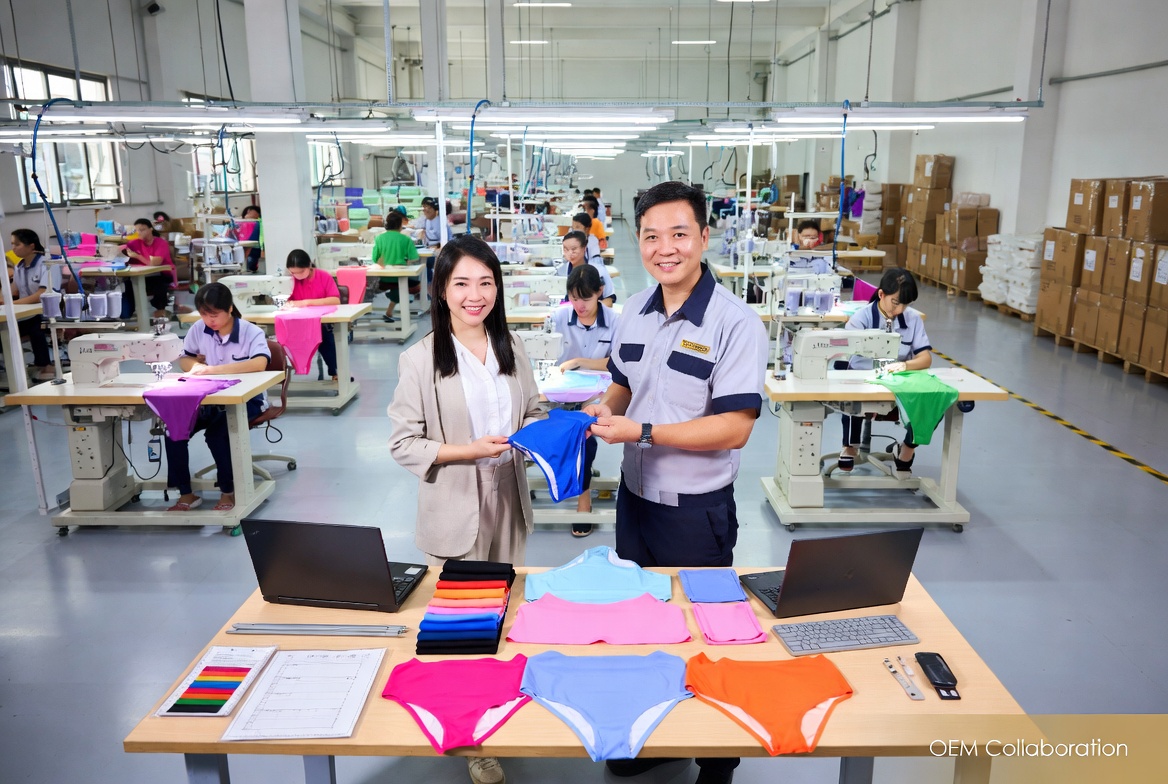
Abely Fashion is a broad‑based swimwear manufacturer with strong OEM/ODM services covering women's, men's, and kids' swim categories, including diverse cover up styles. Their design teams focus on converting buyer concepts into commercially viable pieces ranging from lightweight chiffon kimonos to shirt‑style cover ups aimed at department stores and specialty chains. [yong-ting]
Abely's strengths include versatile styling, stable mid‑to‑high capacity, and access to fabrics that combine aesthetics with functional elements such as UPF protection. This combination makes them suitable for brands that value trend‑driven assortments and fast product cycles in the mass market and upper‑mass segments. [yong-ting]
Hongyu Apparel is oriented toward mid‑to‑large volume orders and complex constructions, providing economies of scale for established brands expanding their cover up programs. The factory can manage advanced processes like digital printing, laser cut patterns, and mixed fabric panels that enhance perceived value on the rack. [yong-ting]
They maintain fabric inventory programs that reduce re‑order lead times, which is particularly useful for fashion brands working on fast calendars or re‑plenishment models. Hongyu's dedicated export compliance team also supports documentation requirements for EU, US, and Canadian markets. [yong-ting]
Unijoy Swimwear emphasizes sustainable production, integrating GRS‑certified fabrics and recycled polyester into their swimwear and cover up lines. Their positioning makes them attractive to brands and retailers with explicit sustainability roadmaps and ESG reporting requirements. [360iresearch]
Beyond materials, Unijoy offers technical finishes such as moisture‑management, anti‑microbial treatments, and wrinkle resistance to enhance practicality for travel and resort wear. Their sample processes include multi‑size fit testing, helping reduce returns and complaints in diverse markets. [yong-ting]
Wisrose targets value‑oriented segments, offering aggressive pricing while maintaining baseline quality standards suitable for promotional campaigns and entry‑price lines. They frequently bundle coordinated bikinis and cover ups, supporting merchandising concepts where complete beach outfits are sold as sets. [yong-ting]
The factory's quick‑response setup allows for rush orders with shortened lead times, which can be useful for buyers dealing with last‑minute demand spikes, albeit often at a modest premium. [yong-ting]
Topper Swimwear specializes in technical cover ups overlapping with activewear, using performance fabrics featuring four‑way stretch, chlorine resistance, and quick‑dry performance. Typical silhouettes include hooded styles, zippered tunics, and sporty pullovers designed for consumers who transition between swimming and other activities. [yong-ting]
Topper also has experience in extended size ranges up to plus sizes, with pattern grading systems to secure consistent fit from XS to 3XL. This makes them relevant for retailers targeting inclusive sizing and performance‑oriented customers. [yong-ting]
Enjoy Apparel operates vertically integrated facilities that handle both garment production and decorative embellishments such as embroidery, sequins, and beading. This setup is beneficial for buyers needing fashion‑driven cover ups with artisanal or ornamental details without extensive outsourcing. [yong-ting]
They can also support brand marketing by providing photography assistance, including white‑background and lifestyle images for e‑commerce and lookbooks. Packaging customization, from basic polybags to more premium branded boxes, is available for differentiated customer experiences. [yong-ting]
Yteng Sport focuses on performance‑leaning cover ups that integrate functional elements such as zippered pockets, adjustable drawcords, and reflective trims. Their material choices emphasize lightweight, packable fabrics suitable for travel and multi‑purpose use. [yong-ting]
They offer transparent cost structures with clear breakdowns of material, trims, and labor, making them a good fit for buyers who engage in detailed value engineering to meet target price points. Yteng also plans capacity 90 days out to help buyers coordinate seasonal inventory. [yong-ting]
Appareify caters primarily to emerging brands and digital‑native labels, offering relatively low MOQs (around 500 pieces per style) and a digital collaboration stack with video calls, online approvals, and production tracking. This model reduces entry barriers for direct‑to‑consumer brands testing new concepts or micro‑collections. [yong-ting]
The company's strength lies in flexibility and speed, combined with trendy fabric and design options like crochet knits and tie‑dye finishes that resonate with social‑media‑driven audiences. They also support white‑label and dropshipping arrangements where minimal upfront inventory is desired. [yong-ting]
Ally Swimsuit is a pragmatic OEM partner covering women's, men's, and kids' swim categories, with emphasis on affordability and regulatory compliance. Their logistics network allows buyers to consolidate multiple product categories for shipment, optimizing freight costs and simplifying supply chain management. [yong-ting]
Ally applies statistical AQL‑based QC and offers packaging options including biodegradable polybags and FSC‑certified paper to align with retailer sustainability standards. This balance of cost control and compliance makes them attractive to volume retailers and private‑label programs. [yong-ting]
The table below highlights major differentiators relevant for procurement planning and factory shortlisting. [yong-ting]
| Manufacturer | Approx. monthly capacity | Typical starting MOQ | Core focus for cover ups | Sustainability options | Primary target buyers |
|---|---|---|---|---|---|
| Dongguan Yongting | ~200,000 pieces | 500–1,000 | Full OEM/ODM, premium & sustainable fabrics | ECONYL, recycled nylon (yong-ting) | Mid‑market to premium brands (yong-ting) |
| Abely Fashion | 150,000+ pieces | ~1,000 | Versatile styles, mass & upper‑mass | Standard eco fabrics (yong-ting) | Department & specialty stores (yong-ting) |
| Hongyu Apparel | ~180,000 pieces | 1,500+ | Complex constructions, high volume | Limited options (yong-ting) | High‑volume retailers (yong-ting) |
| Unijoy Swimwear | ~100,000 pieces | 800+ | Sustainable, function‑enhanced cover ups | GRS, recycled materials (yong-ting) | Eco‑focused brands (yong-ting) |
| Wisrose Garment | ~120,000 pieces | 1,200+ | Value pricing, bundles | Basic recycled options (yong-ting) | Value retailers, promotions (yong-ting) |
| Topper Swimwear | ~90,000 pieces | ~600 | Performance/active cover ups | Moderate options (yong-ting) | Active lifestyle brands (yong-ting) |
Even experienced buyers can encounter issues when sourcing swimsuit cover ups from China, especially under time or budget pressure. Several recurring pitfalls can be mitigated with structured approaches. [shanghaigarment]
Typical pain points:
- Material downgrading: Substituting specified fabrics or trims with lower grade alternatives to protect factory margins, often without clear disclosure. [yong-ting]
- Inconsistent color and print: Color deviations between sample and bulk or across production batches due to poor dye control or inadequate lab dips. [yong-ting]
- Shrinkage and deformation: Insufficient pre‑shrinking or poor fabric selection leading to distortion after washing, especially in lighter woven cover ups. [alibaba]
- Communication gaps: Misinterpreted tech packs and incomplete documentation causing construction differences between expectation and final product. [linkedin]
Mitigation strategies:
- Lock down "golden samples": Use signed golden samples with detailed measurement charts and photos as binding references in purchase contracts. [yong-ting]
- Specify critical materials and trims: Include fabric mill names, trim codes, and performance requirements directly in the PO to limit substitution risk. [yong-ting]
- Require in‑line inspections: Arrange third‑party or buyer‑side inspections midway through production rather than only at pre‑shipment. [shanghaigarment]
- Use structured communication: Share comprehensive tech packs, measurement specs, and graded size charts, and keep change logs for every modification. [linkedin]
An under‑discussed issue is "trim substitution," where factories replace agreed zippers, buttons, cords, or decorative trims with cheaper versions during bulk production, particularly when margins are tight. This can compromise perceived quality and functional performance, especially for cover ups with zippers or closures that face frequent use and exposure to salt water. [yong-ting]
To prevent trim substitution:
- Include exact trim specifications and brands (e.g., zipper brand and model) in contracts and tech packs, not just generic descriptions. [yong-ting]
- Request pre‑production samples using actual bulk trims and confirm this in writing before production approval. [yong-ting]
- Conduct random in‑line checks targeting high‑risk points like zippers, drawcords, and decorative elements. [yong-ting]
- Consider contractual penalties for unauthorized material changes to align factory incentives with long‑term cooperation rather than short‑term savings. [yong-ting]
A disciplined sourcing workflow can significantly reduce risk and improve predictability when working with Chinese swimsuit cover up suppliers. The following steps align with best practices used by experienced sourcing teams. [shanghaigarment]
- Request full company documentation: Business license, export license, and tax registration; ensure the scope indicates manufacturing rather than trading. [shanghaigarment]
- Check certifications: Ask for ISO 9001, OEKO‑TEX, GRS, or BSCI certificates in PDF and verify via CNCA, CNAS, the certification body's website, or international accreditation platforms. [chinacheckup]
- Confirm facility identity: Match certificate addresses to the actual production site and verify through video tours or on‑site audits. [shanghaigarment]
- Development sample: Validates interpretation of design and construction details. [yong-ting]
- Pre‑production sample: Produced with actual bulk materials and trims, used to lock down quality and measurements. [yong-ting]
- Golden sample: Co‑signed reference stored by both buyer and factory as the benchmark for bulk QC. [yong-ting]
- First‑off production samples: Taken from early bulk output to confirm consistency before full run. [yong-ting]
Industry reports predict the global swimwear and related segments to continue growing through 2030, increasing pressure on lead times and capacity during peak seasons. Chinese factories often experience their tightest capacity between January and March due to spring/summer production and Chinese New Year disruptions. [360iresearch]
Practical recommendations:
- Plan deposits 90 days before critical delivery windows when they overlap with Chinese New Year or other national holidays. [yong-ting]
- Add buffers of 10–15 days in internal timelines to absorb port congestion, customs checks, or unforeseen delays. [360iresearch]
- Coordinate consolidation: For buyers sourcing multiple categories (e.g., bikinis plus cover ups), consolidate shipments with factories or freight forwarders to optimize freight cost per unit. [yong-ting]
Request the ISO 9001 certificate in PDF, verify the issuing certification body, certificate number, scope, and validity dates, then cross‑check the certification body on CNAS or IAF platforms for accreditation status. Finally, confirm directly with the certification body via contacts from its official website and ensure the factory name and address match your supplier's legal entity and production site. [chinacheckup]
For standard styles in chiffon or mesh, realistic MOQs usually start around 500–1,000 pieces per style, while more complex designs with custom prints or embroidery often require 1,000–1,500 pieces to absorb setup costs. Many factories are open to style‑mix MOQs (e.g., 2,000–3,000 total units across several styles), especially when they see long‑term potential with the buyer. [yong-ting]
Ask for GRS certificates or ECONYL authentication from the fabric mill, including transaction certificates that track lot numbers through the supply chain. Verify these certificates via Textile Exchange or the relevant scheme, and be cautious if recycled fabrics are priced suspiciously low compared with standard nylon, as genuine recycled materials typically carry a 5–10% premium. [360iresearch]
Common payment terms are 30% deposit and 70% balance before shipment, although more complex or higher‑value relationships sometimes evolve toward more flexible arrangements. For initial orders, buyers often use trade assurance platforms, letters of credit, or escrow services, and avoid 100% prepayment to retain leverage in case of quality issues. [yong-ting]
A typical timeline includes 7–14 days for initial sampling, another 7–10 days for revisions, 10–15 days for material preparation, 20–30 days for production, 2–3 days for QC, and 2–3 days for packing, totaling around 45–60 days to shipment. Adding 15–35 days transit via ocean freight, buyers should plan roughly 60–90 days from deposit to warehouse delivery, depending on lane and season. [360iresearch]
- Certification and Accreditation Administration of China (CNCA) – for verifying Chinese certificates and certification bodies. [yong-ting]
- China National Accreditation Service for Conformity Assessment (CNAS) and International Accreditation Forum (IAF) – for checking accreditation status of certification bodies. [chinacheckup]
- OEKO‑TEX and GRS (Textile Exchange) – for environmental and recycled material certifications. [360iresearch]
- World Integrated Trade Solution (WITS) and specialized market research providers – for swimwear export and global market growth data. [360iresearch]


