
Views: 222 Author: Loretta Publish Time: 2026-02-08 Origin: Site


Content Menu
● Why Fit Matters for One Piece Swimsuits
● How to Measure Your Body for a One Piece
● One Piece Swimsuit Fit Overview
● How Your One Piece Should Fit at the Hips
● How Your One Piece Should Fit at the Chest
>> When you may need a different size
● How Your One Piece Should Fit Through the Torso
>> How to troubleshoot torso issues
● How Tight Should Swimsuit Straps Be?
● Butt Coverage: From Mid to Full
● Common Fit Problems and How to Fix Them
>> Typical fit issues and solutions
● Step-by-Step: How to Put On Your One Piece for Best Fit
● Expert Tips: Choosing the Right Size When Shopping Online
>> Practical online sizing tips
>> Special considerations for performance swimmers
● For Brands, Wholesalers, and OEM Buyers
>> How an OEM swimwear factory can support better fit
● Clear Call to Action: Partner With Yongting for Better-Fitting One Piece Swimsuits
● FAQs about One Piece Swimsuit Fit
>> 1. How tight should a one piece swimsuit feel when it is new?
>> 2. How do I know if my torso is too long for standard one piece sizes?
>> 3. Why does my one piece swimsuit keep riding up at the back?
>> 4. Can I use the same size for both bikinis and one pieces?
>> 5. What should brands check before approving OEM bulk production?
Buying a one piece swimsuit online can feel risky, but once you understand how each part should fit on your body, you can shop with confidence and avoid uncomfortable returns. This enhanced guide explains hips, chest, torso, straps, and bottom coverage in detail, and adds practical size tips and pro advice you can use with any performance swimsuit brand.
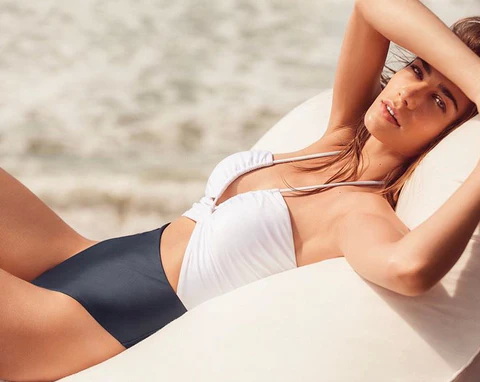
The right one piece should feel like a second skin: secure, streamlined, and supportive without digging or squeezing. When bust, waist, hip, and torso measurements all align with a size chart, you get better comfort, better hydrodynamics in the water, and longer garment life.
A well-fitted one piece helps you:
- Move freely without riding up or constant adjustment.
- Maintain coverage during dives, turns, and high-impact training.
- Reduce chafing, strap marks, and fabric fatigue.
Before choosing your size, take accurate measurements with a soft measuring tape. Always measure on bare skin or over thin underwear for more precision.
- Torso: From the top of one shoulder, down over the fullest part of the bust, through the legs, and back up to the starting point.
- Bust / Chest: Around the fullest part of your bust, keeping the tape level to the floor.
- Waist: Around the smallest part of your natural waist, usually just above the belly button.
- Hips: Around the fullest part of your hips and bottom, tape parallel to the floor.
- Keep the tape snug but not tight; you should be able to slide one finger under it.
- Take each measurement twice and use the average if they differ.
- If your torso is longer than average or you are between torso sizes, size up in one pieces.
Performance-oriented one pieces are designed to fit more compressive than casual fashion swimsuits, especially around the chest and hips. This ensures you feel supported during training, surf, or competition, not just when standing still in front of a mirror.
A good test:
- You can pull straps 2–3 inches off your shoulders, but not more.
- Fabric lies flat across the torso without heavy wrinkles or deep digging.
- You can move, squat, and raise your arms without the suit shifting excessively.
Performance one pieces are usually designed to sit higher on the hip than traditional fashion swimwear. A higher leg line improves mobility and visually elongates the legs, which many swimmers and water athletes prefer.
- The leg opening should sit on or slightly above your hip bone, not low across the upper thigh.
- The fabric should be pulled taut around your pelvis without sagging or gaping.
- If the suit sits too low, the torso will feel short and the whole suit may drag when you move.
- Too small: Deep cuts into the hip creating pronounced bulges, difficulty pulling the suit up high enough.
- Too large: Loose leg opening, fabric gaping at the groin, suit shifting during kicks or dives.
Many athletic brands intentionally avoid built-in pads or thick shelf bras to keep the chest area sleek, compressive, and non-bulky in the water. That means the chest will feel snugger than a typical padded bikini top, but still should not restrict your breathing.
- The neckline should sit at least one hand-width below your collarbone, not dropping excessively low.
- Fabric should be smooth over the bust without big wrinkles or obvious empty space.
- You should feel supported when bending forward, streamlining, or rotating in the water.
- If the chest feels too low, first pull the entire suit up higher on the hips, then reassess.
- If there is still gaping at the sides or top, consider sizing down or choosing a style with more chest coverage.
- If the chest feels painfully tight or flattens your bust to the point of discomfort, you may need a larger size or a style with more depth.
The torso length is one of the most important factors in one piece swimsuit comfort. A suit that is too short will pull at your shoulders and ride up at the bottom, while one that is too long will bunch and twist.
- The suit should lie flat along your stomach and back, with minimal bunching or vertical wrinkles.
- Mild compression is normal; heavy, rigid squeezing is a sign the torso is too short.
- If you constantly feel pulled downward at the shoulders or upward at the bottom, your torso length may need a size adjustment.
- Bunching fabric: Often means the suit is slightly large or the straps need tightening.
- Pulling and wedgies: Often means the torso is too short; size up or look for a long-torso cut.
- In-between torso sizes: Most size guides suggest choosing the larger one for one pieces.
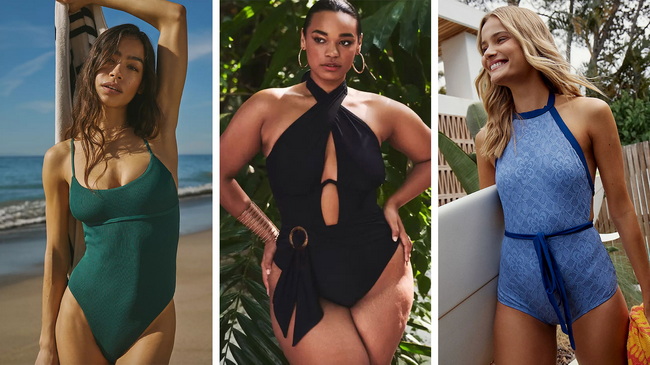
Straps are crucial for keeping everything in place, but they should never cause bruising or red, painful grooves. Performance one piece straps are designed to feel firm and supportive without cutting into your shoulders.
- Tighten or adjust your straps so they feel snug and supportive.
- You should be able to fit one index finger comfortably underneath the strap.
- When you lift the strap, it should raise about 2–3 inches off your shoulder and then spring back.
- Digging / bruising: Loosen slightly, or consider a style with wider straps or a different back configuration.
- Falling straps: Usually a sign of straps too loose or overall suit too large; tighten first, then consider sizing down.
- Neck strain: For halter styles, make sure the neck tie is snug but not over-tightened; cross-back or fixed-back designs can reduce pressure.
Bottom coverage determines how your suit sits on your bum and how often you have to adjust it. Different brands offer varying cuts from cheeky to mid to full coverage, each changing how the leg opening follows your curves.
- Full coverage: More fabric that scoops around the cheeks, offering secure coverage and a more classic look.
- Mid coverage: The cut tends to run across the cheek, giving a sportier, more contemporary silhouette.
- Cheeky / high-cut: Shows more skin and sits even higher on the hip; best if you are comfortable with minimal coverage and frequent movement.
- Walk, squat, and mimic a streamline position; the suit should not disappear uncomfortably between your cheeks.
- If the bottom constantly rides up, consider more coverage or try a different size.
- If you see excess loose fabric under the butt, the size may be too large or not compatible with your body shape.
Use this quick table to diagnose typical one piece fit issues and possible solutions.
Problem | How it feels | Likely cause | What to try next |
Torso feels too tight | Pulling at shoulders, wedgies, hard to straighten up | Torso length too short | Size up, choose long-torso style, pull suit higher on hips first. |
Torso bunches or wrinkles | Extra fabric at stomach or back | Suit slightly too big or straps loose | Tighten straps, consider sizing down. |
Straps digging into shoulders | Red marks, discomfort after training | Straps over-tight or torso too short | Loosen straps, consider larger size or different style. |
Chest gaping or slipping | Space at neckline or sides, adjusting often | Cup area too large or straps too loose | Tighten straps, size down, or choose more coverage. |
Bottom rides up excessively | Constant wedgies during movement | Too small, too little coverage | Size up or select fuller coverage cut. |
Leg opening feels restrictive on thighs | Fabric cutting in, limited stride | Hip opening too small | Size up or pick a higher-cut style. |
How you put on your suit can change how it feels. Follow this simple sequence to check fit properly before deciding your size.
1. Turn the suit right side out and step into it gently, one leg at a time.
2. Pull the suit up so the leg openings sit on or slightly above your hip bones.
3. Adjust the bottom so the coverage sits evenly around or across your cheeks, depending on the cut.
4. Pull the suit over your torso and chest, then slip straps over your shoulders or tie them as designed.
5. Tighten or adjust straps until they feel snug but not painful; perform the “one finger under the strap” test.
6. Raise your arms, bend forward, and simulate a few swim strokes to ensure everything stays in place.
When ordering online, combine body measurements, size charts, and real-world usage to choose your best size. This is especially important for athletes, teams, and B2B buyers who need consistent sizing across bulk orders.
- Always compare your torso measurement first, then bust and hips, when choosing a one piece size.
- If you are between sizes, choose based on your tallest measurement (often torso or hips).
- Check if the brand or manufacturer notes that their cuts run small, true, or large.
- For team or club orders, request size samples or a grading chart before placing bulk OEM orders.
- Competitive swimmers often prefer a more compressive fit to reduce drag, especially for training suits.
- Recreational swimmers or beach users may prefer slightly less compression for all-day comfort.
- If you spend hours in the pool, prioritize chlorine-resistant fabrics and strap styles that stay comfortable over long sets.
If you are a swimwear brand, wholesaler, or retailer, getting fit right across sizes and styles is crucial to customer satisfaction and lower return rates. A trusted OEM partner can help you translate size charts and body data into patterns that truly work for your market.
- Provide grading based on your target demographic's torso, bust, waist, and hip measurements.
- Adjust hip height, bottom coverage, and strap configuration to match your brand positioning (sporty, modest, surf, performance, etc.).
- Produce size runs and pre-production samples so your team can test real-world fit before launch.
Yongting is an experienced OEM/ODM swimwear specialist in China, focused on one piece swimsuits, bikinis, and performance swimwear that balance style, fit, and production efficiency. By combining your brand's sizing strategy with our technical pattern-making and bulk production capabilities, you can build collections that feel consistent and reliable for your customers season after season.
A one piece swimsuit should give you secure coverage, smooth support, and true freedom of movement from neck to hips to straps and bottom. Use this guide to refine your sizing standards, reduce returns, and deliver a better in-water experience for your end customers.
If you are a swimwear brand, wholesaler, or swim school looking for OEM one piece swimsuits with reliable, tested fit, contact Yongting today to start your next collection. Share your target market, style direction, and size requirements with our team, and we will help you develop, sample, and manufacture one piece swimsuits that look great, fit consistently, and perform in real use.
Contact us to get more information!
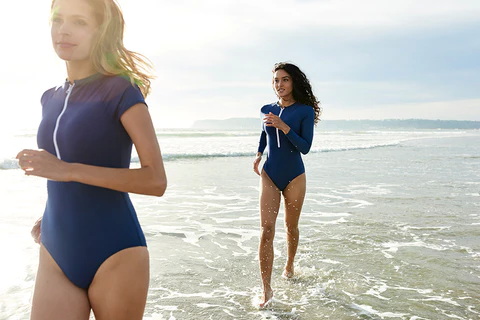
A new performance-style one piece should feel snug, especially around the chest, hips, and torso, but you should still be able to breathe and move comfortably. The fabric will usually relax slightly after a few wears and swims, so a mild compressive feel at first is normal.
If your suits always pull on the shoulders, ride up at the bottom, or feel uncomfortable even after adjusting the hips and straps, your torso may be longer than the standard block used in many size charts. In that case, try sizing up in one pieces or look for long-torso-specific styles designed with extra vertical length.
Frequent riding up usually means the suit is too small in the bottom, the torso is too short, or the coverage cut is more revealing than you prefer. Choosing a fuller coverage bottom, going up one size, or switching to a style with a slightly lower leg and more back coverage can reduce this problem.
Not always; one pieces rely heavily on torso length, which bikinis do not. You might wear a certain size in a bikini top and bottom but need to adjust up or down in a one piece to accommodate your torso length, height, and how much compression you like.
Brands should confirm fit on multiple fit models or testers, validate torso, bust, and hip grading across sizes, and ensure straps, coverage, and leg height match their target customer profile. Only after this real-world testing and any necessary pattern corrections should they approve bulk orders with their OEM factory to secure consistent fit at scale.
1. https://eu.jolynclothing.com/pages/how-to-wear-your-jolyn-one-piece-swimsuit-choosing-your-fit
2. https://jolyn.com/pages/size-chart
3. https://swimsuitsforall.com/c/fit-guide-sa.html
4. https://gooseberryintimates.com/blogs/press/how-should-a-one-piece-swimsuit-fit
5. https://jaydswimwear.com/pages/fitting-guide
6. https://www.yong-ting.com/about.html
7. https://swimwears.en.made-in-china.com
8. https://thetextilenetwork.com/company/yongting
9. https://swimouest.com/jolyn-swimwear-size-chart/
10. https://hamrunsfast.com/jolyn-training-sizing/


