
Views: 222 Author: Yongting Swimwear Publish Time: 2026-05-24 Origin: Site


Most people grow up thinking of underwear as a basic layer of protection, so it feels natural to keep it on under swim shorts or swimsuits. Yet swimwear designers, textile specialists, and pool hygiene experts all agree: wearing everyday underwear in the pool or ocean is a bad idea for your body, your garments, and the water you swim in. [tucann]
As a professional swimwear manufacturer working with global brands and wholesalers, we see the impact of fabric choice and product design every day—and we'll walk you through what really happens when you swim in underwear, and what to do instead. [tucann]
To help you make informed decisions about swimwear, this guide explains:
- Why underwear and water don't mix from a materials and health perspective
- How proper swimwear is engineered to support, protect, and last
- Real‑world examples from pools, beaches, and manufacturing
- Practical steps to choose and care for the right swimwear
- Key reasons brands and retailers insist on "no underwear in the pool" policies
Everyday underwear is usually made from cotton or cotton‑rich blends that feel soft and breathable under regular clothing—but those fibers behave very differently in chlorinated or salty water. [leonisa]
By contrast, quality swimwear uses synthetic, water‑resistant fibers such as polyester, nylon, and elastane that are specifically engineered for wet environments and repeated exposure to sun, salt, and chemicals. [oliviapaisley]

| Feature | Typical Underwear (Cotton‑rich) | Swimwear (Nylon/Polyester + Elastane) |
|---|---|---|
| Water absorption | High – holds water, becomes heavy tucann | Low – sheds water, dries faster leonisa |
| Chlorine resistance | Poor – fibers weaken, colors fade tucann | Designed for pool chemicals leonisa |
| Saltwater resistance | Poor – salt damages fibers tucann | Better engineered for salt and UV exposure leonisa |
| Shape retention | Sags when wet tucann | Maintains fit and support leonisa |
| Hygiene | Traps moisture and bacteria marca | Lining and construction help manage moisture beechundies |
From a textile engineering standpoint, chlorine and salt are harsh on everyday underwear fibers. [saxxunderwear]
- Chlorine breaks down fibers and dyes. Regular dips in a pool will fade colors and weaken the structure of cotton underwear, making it lose elasticity and shape. [tucann]
- Saltwater has a similar effect. Sea salt replaces chlorine as the main aggressor, drying out and damaging fibers over time. [tucann]
- Repeated soaking accelerates wear and tear. Underwear simply isn't designed for continuous wet‑dry cycles in chemically treated or salty water. [leonisa]
For consumers, that means you'll be replacing your underwear more often, and for brands and manufacturers it highlights why positioning multipurpose "swim + underwear" garments is risky without proper fabric engineering. [saxxunderwear]
Most public pools have clear rules against wearing regular street clothes or underwear in the water—and there are good reasons for this. [marca]
When cotton underwear is exposed to chlorinated water:
- Fibers shed and break apart, becoming tiny particles that must be filtered out. [tucann]
- Over time, these fibers can clog pool filters and strain circulation systems, increasing maintenance costs. [leonisa]
- Fabrics and dyes may release residues and contaminants into the water, affecting water clarity and balance. [leonisa]
Pool operators and aqua parks often insist on "swimwear only" policies precisely to protect equipment and maintain safe, clean water. [marca]

From a health perspective, wet underwear creates an ideal environment for bacteria and fungi, especially in warm summer conditions. [muchachomalo]
Experts warn that swimming in underwear or keeping wet undergarments on for long periods can contribute to: [muchachomalo]
- Fungal infections such as jock itch, characterized by itching and redness in the groin. [marca]
- Bacterial growth, as moisture and warmth help microbes multiply. [marca]
- Skin irritation and chafing, because cotton absorbs water, becomes heavy, and rubs against sensitive areas. [muchachomalo]
- Higher risk of urinary tract infections, since damp fabric stays in close contact with the urethral area for longer. [tucann]
Underwear that is too tight under swim shorts or suits can also increase friction, trap moisture, and add pressure in the groin, which some experts associate with discomfort, bladder overactivity, and even reduced sperm quality when restrictive garments are worn frequently. [tucann]
If you have ever tried swimming in heavy cotton shorts or underwear, you already know how different it feels compared to proper swimwear. [saxxunderwear]
When you wear underwear in the pool or ocean:
- The fabric absorbs a large amount of water, increasing drag and making you feel heavier. [tucann]
- You become slower and less efficient in the water, which matters whether you are training, surfing, or just playing with friends. [saxxunderwear]
- Out of the water, drying takes much longer, and you're left with soggy, clingy fabric that sticks to your skin. [muchachomalo]
In contrast, swimwear is designed to balance support, flexibility, and hydrodynamics, allowing you to move freely with less resistance. [beechundies]
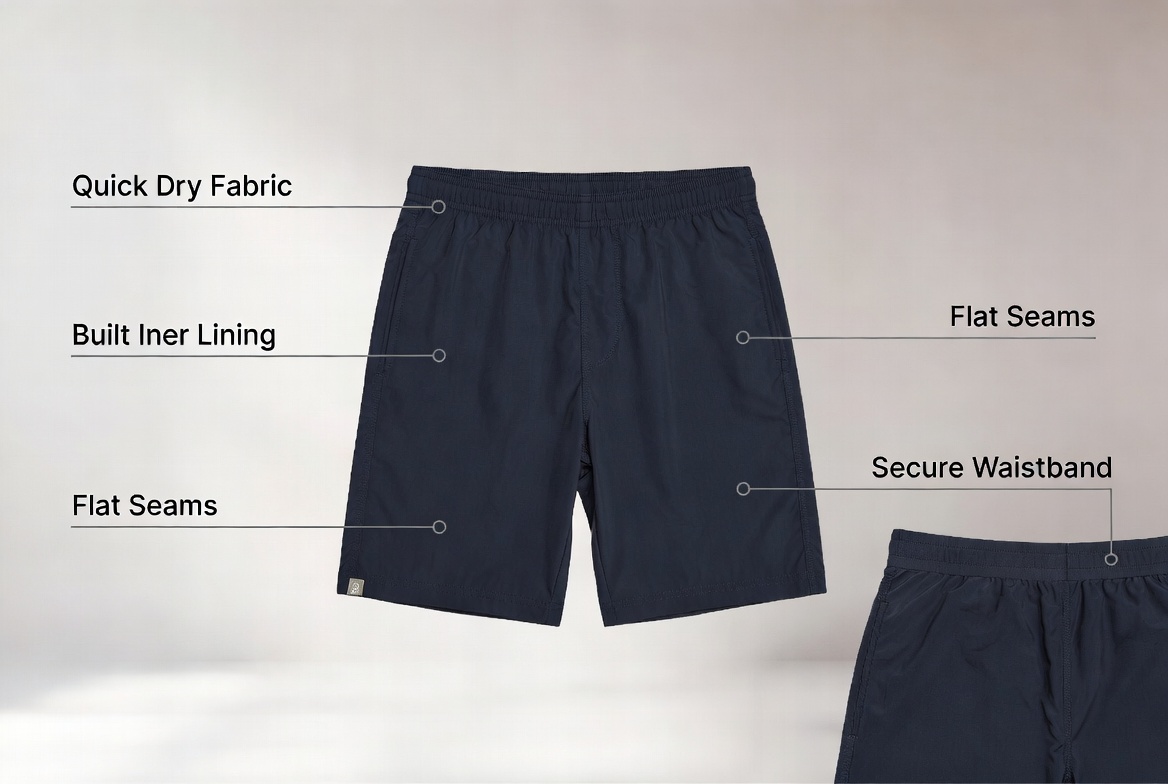
Quality swimwear is not just "colorful fabric": it is a purpose‑built system of outer fabric, lining, and construction optimized for water. [beechundies]
Many modern swim shorts and swimsuits include:
- A built‑in mesh or soft lining that acts like an integrated pair of underwear, offering support and coverage without extra layers. [beechundies]
- Quick‑dry, shape‑retaining fabrics that maintain fit after repeated use and wash cycles. [oliviapaisley]
- Flatlock seams and ergonomic cuts that reduce friction and chafing during swimming or beach sports. [oliviapaisley]
Because of this, brands and designers never intend you to wear additional underwear underneath—the garment already provides the necessary support and hygiene when used correctly. [oreateai]
Across the industry, swimwear brands, underwear companies, and medical sources consistently reach the same conclusion: do not wear regular underwear under your swim trunks or swimsuits. [oreateai]
- Swimwear brands emphasize that swim shorts and swimsuits are designed to be worn alone, with integrated linings providing sufficient support. [oreateai]
- Underwear specialists note that chlorine and salt will "annihilate" everyday underwear, fading colors and damaging fibers. [leonisa]
- Health and lifestyle outlets warn that wet underpants are linked to more infections, chafing, and discomfort, and recommend skipping underwear entirely when swimming. [muchachomalo]
As a manufacturer, Yongting aligns with this expert consensus by engineering swimwear that performs best—and lasts longest—when worn without additional underwear. [beechundies]
Even with all the reasons not to do it, people still reach for underwear in certain situations. [oliviapaisley]
Some swimmers worry about transparency when fabric gets wet, especially with light‑colored or thin swimwear. [oliviapaisley]
- High‑quality swimwear uses denser weaves, double layers, or carefully placed prints to reduce see‑through issues. [leonisa]
- For added confidence, look for lined fronts, darker colors, or compression styles instead of adding regular underwear. [oliviapaisley]
Lower‑quality or fashion‑only shorts may skip a built‑in liner. [beechundies]
- In this case, opt for separate swim briefs, swim jammers, or performance underwear specifically marketed as water‑ready underlayers, rather than everyday cotton. [oreateai]
- As an OEM factory, we often work with brands to add or upgrade internal linings exactly to remove the need for standard underwear. [beechundies]
If you unexpectedly end up at the pool with only underwear:
- A quick, one‑off dip is unlikely to be catastrophic, but it's still not ideal for your health or the pool system. [tucann]
- Make it a habit to keep at least one proper swimsuit in your bag or car during the swim season. [leonisa]
To stay comfortable, hygienic, and pool‑friendly, follow these simple steps.
Look for:
1. Water‑resistant fabrics (polyester or nylon with elastane). [oliviapaisley]
2. Built‑in mesh or soft lining in key support areas. [beechundies]
3. Secure waistbands and drawcords for active swimming and water sports. [leonisa]
4. Flat, soft seams to minimize chafing. [oliviapaisley]
- For casual swimming: standard swim shorts or trunks with lining are ideal. [beechundies]
- For training or lap swimming: jammers or streamlined briefs reduce drag. [leonisa]
- For beach sports or surfing: boardshorts paired with performance swim briefs offer support and mobility without regular underwear. [oreateai]
After leaving the water:
- Rinse your swimsuit in clean water to remove chlorine or salt. [leonisa]
- Change into dry clothes as soon as practical to lower the risk of irritation and infections. [marca]
- Avoid reusing damp swimwear the next day without proper drying. [marca]
From the viewpoint of a swimwear OEM supplier like Yongting, educating end‑users about "no underwear under swimwear" is not just a lifestyle tip—it directly supports product performance and brand reputation. [beechundies]
Brands and wholesalers can:
- Highlight lining features and fabric benefits on product pages, packaging, and hangtags, explaining that no extra underwear is needed. [oliviapaisley]
- Provide care guides that discourage wearing regular underwear and emphasize rinsing, drying, and proper storage. [leonisa]
- Collaborate with manufacturers to develop linings, cuts, and materials that address common comfort concerns, such as support, modesty, and quick drying, so customers don't feel the need to add a second layer. [beechundies]
Underwear does an excellent job under your everyday clothing, but it was never meant for chlorine, saltwater, or hours of damp wear. [tucann]
For swimmers, beach lovers, and water‑sport athletes, the smartest move is simple:
- Wear proper swimwear without additional underwear.
- Invest in designs built for water, comfort, and hygiene.
- If you're a brand, partner with expert swimwear manufacturers to ensure your products don't need a second layer.
If you are a brand owner, wholesaler, or swimwear startup looking to develop lined swim shorts, performance swimwear, or custom collections that eliminate the need for underwear, talk with a specialized OEM swimwear factory like Yongting to engineer the right fabrics, linings, and fits for your market. [oliviapaisley]
1. Is it ever okay to wear underwear under swim shorts?
For a single, unexpected quick dip, it is unlikely to cause serious harm, but it's still not recommended because of hygiene, comfort, and pool‑filter concerns. Long‑term, you should always switch to proper swimwear. [oreateai]
2. Why do some people say they feel more "secure" with underwear?
They usually worry about fit, support, or transparency. Properly designed swimwear addresses all of these issues through integrated linings, denser fabrics, and supportive cuts, so extra underwear is unnecessary. [beechundies]
3. Can I wear performance underwear or compression shorts under my swimsuit?
Some performance pieces are marketed as dual‑use for land and water, but they must be made from chlorine‑resistant, quick‑dry synthetics. Always follow the manufacturer's guidelines rather than using standard cotton underwear. [oreateai]
4. Does wearing underwear in the pool really affect water quality?
Yes. Cotton and non‑swim fabrics shed fibers in chlorinated water, which can clog filters and introduce unwanted particles and residues into the pool system. This is why many facilities enforce "swimsuits only" rules. [saxxunderwear]
5. How do I choose a swimsuit that doesn't need underwear?
Look for swimwear with built‑in lining, high‑quality synthetic fabrics, and clear product descriptions stating that the garment is designed to be worn alone. If you still feel unsure, opt for darker colors, double‑lined areas, or styles created specifically for active swimming. [leonisa]
1. Tucann – "Why Wearing Underwear When Swimming is Bad For You"
<https://www.tucann.com/en-eu/blogs/news/why-wearing-underwear-when-swimming-is-bad-for-you> [tucann]
2. Tucann – "Why Wearing Underwear When Swimming is Bad For You" (updated regional version)
<https://www.tucann.com/en-ca/blogs/news/why-wearing-underwear-when-swimming-is-bad-for-you> [tucann]
3. Beech Undies – "Should You Wear Underwear with Swim Trunks? Debunking the Double Layer Debate"
<https://beechundies.com/blogs/beech-undies-blog/swim-trunks-vs-underwear> [beechundies]
4. Muchachomalo – "Underwear under swim shorts? Pros and cons explained"
<https://www.muchachomalo.com/en/blogs/news/wearing-underwear-under-swim-shorts> [muchachomalo]
5. Marca – "The dangers of swimming with underwear in the pool: this is what it can do to your body"
<https://www.marca.com/en/lifestyle/world-news/2025/07/19/687bcd2846163f39608b4604.html> [marca]
6. Leonisa – "Should you wear underwear under swim trunks?"
<https://www.leonisa.com/blogs/articles-leo/should-you-wear-underwear-under-swim-trunks> [leonisa]
7. Olivia Paisley – "The Ultimate Guide to Swimwear Etiquette and Comfort"
<https://www.oliviapaisley.com/blogs/news/the-ultimate-guide-to-swimwear-etiquette-and-comfort> [oliviapaisley]
8. Oreate AI – "The Great Swimwear Debate: To Wear Underwear or Not?"
<https://www.oreateai.com/blog/the-great-swimwear-debate-to-wear-underwear-or-not/dc3c8d92cbbc81aab828255a1852bccc> [oreateai]
9. SAXX Underwear – "It's time to stop wearing underwear under your swim trunks"
<https://www.saxxunderwear.com/blogs/the-brief/its-time-to-stop-wearing-underwear-under-your-swim-trunks> [saxxunderwear]


