
Views: 222 Author: Yongting Swimwear Publish Time: 2026-05-22 Origin: Site


Men's swimwear has evolved from basic beachwear into a sophisticated fashion category where performance engineering meets personal expression. As a manufacturer serving global brands and wholesalers, Yongting has observed firsthand how consumer preferences are reshaping design priorities across international markets. The men's swimwear market reached $7.06 billion in 2026 and is projected to grow at 5.74% annually through 2031, driven by innovations in fabric technology, sustainability demands, and evolving style preferences. This comprehensive guide examines the trends defining summer 2026, backed by industry data and manufacturing expertise. [linkedin]

The transformation of men's swimwear over the past decade reflects broader shifts in menswear culture. What began in 2012 as a movement toward shorter, more tailored cuts has expanded into a multifaceted industry where technical performance, sustainable materials, and bold aesthetics converge. Today's consumers expect swimwear that transitions seamlessly from pool to social settings while delivering comfort through advanced fabric engineering. [maamgic]
Global manufacturing has responded to increasingly sophisticated buyer demands. Brands now prioritize quick-dry technology, UV protection, and anti-chafing construction as baseline features rather than premium upgrades. The shift toward direct-to-consumer models has also accelerated trend cycles, with manufacturers like Yongting adapting production capabilities to serve both established labels and emerging sustainable brands. [maamgic]
The tailored swim trunk has emerged as the season's definitive style, offering a slim, polished silhouette that mirrors casual shorts. These designs feature flat-front construction, hidden zipper pockets, and occasionally belt loops, creating a refined appearance suitable for beachside dining or resort settings. From a manufacturing perspective, these trunks require precision pattern-making and quality hardware to maintain their structured appearance after repeated saltwater exposure. [maamgic]
Hybrid swim shorts represent perhaps the most significant innovation in men's swimwear functionality. Designed to perform equally well in water and on land, these shorts combine moisture-wicking fabrics with street-ready styling. For travelers and minimalist packers, hybrids eliminate the need for separate swim and casual shorts. Manufacturing these pieces demands fabrics that balance quick-dry properties with the durability and appearance of traditional shorts. [maamgic]
The trend toward shorter inseams continues to gain momentum, with 4-inch and 5-inch swim trunks becoming the new standard. This aesthetic, rooted in European beach culture and body-positive movements, appeals to consumers seeking maximum tan lines and a confident, athletic appearance. While 5-inch inseams offer the most balanced proportion for diverse body types, the bolder 4-inch option is gaining traction among trendsetters. [maamgic]
The most significant invisible upgrade transforming men's swimwear is the replacement of traditional mesh with compression liner technology. Unlike scratchy, restrictive mesh that traps sand and causes chafing, compression liners provide soft, boxer-like support that reduces friction between thighs. Research confirms that compression liners prevent chafing, reduce muscle fatigue, improve oxygenation during activity, and enhance jumping ability and power output. For manufacturers, this shift requires investment in multi-layer construction and specialized fabrics, but the performance benefits justify the upgrade for quality-conscious brands. [dryfins]
Mid-thigh swim trunks with 5-inch inseams have become the breakout favorite of 2026, offering a flattering cut that suits most body types while balancing mobility and coverage. This length provides enough fabric to feel secure during active movement without the bulk of longer styles. Market data shows this inseam accounts for the majority of trunk sales across age demographics. [maamgic]
For consumers preferring traditional coverage, the 7-inch trunk remains popular, particularly in North American markets. This length works well for hybrid styles worn in casual settings and appeals to older demographics or those less comfortable with shorter cuts. [maamgic]
While less fashionable, 9-inch boardshorts maintain strong sales among surfers and water sports enthusiasts who prioritize coverage and durability over trend-forward aesthetics. These styles typically feature stretch fabrics and laser-cut edges for enhanced performance. [maamgic]
The 2026 color palette embraces high-saturation "Dopamine" hues that evoke joy and confidence. Electric blues, sunburst orange, lemon yellow, and hot pink dominate collections, reflecting broader cultural desires for optimism and self-expression. These bold solid colors offer minimalist appeal with maximum visual impact, appealing to consumers who prefer simple designs with powerful presence. [maamgic]
Simultaneously, natural shades like sage green, burnt sienna, terracotta, and deep navy are trending among style-conscious buyers seeking understated sophistication. These colors pair beautifully with minimalist designs and appeal to mature consumers prioritizing versatility and timeless aesthetics. [maamgic]
High-end swimwear brands continue offering matte black, white, and charcoal tones for consumers seeking versatile basics. These shades work particularly well for tailored trunks and hybrid shorts intended for wear beyond beach settings. [maamgic]
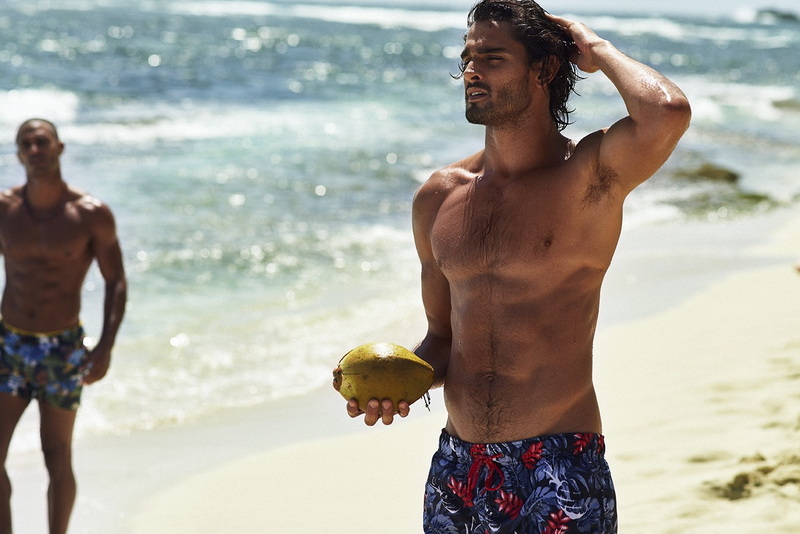
Palm leaves, floral bursts, and jungle patterns remain timeless, but 2026 versions feature modern color twists. Designers are pairing muted backgrounds with neon highlights or using gradient effects to freshen classic tropical motifs. These prints appeal to consumers seeking vacation vibes with contemporary edge. [maamgic]
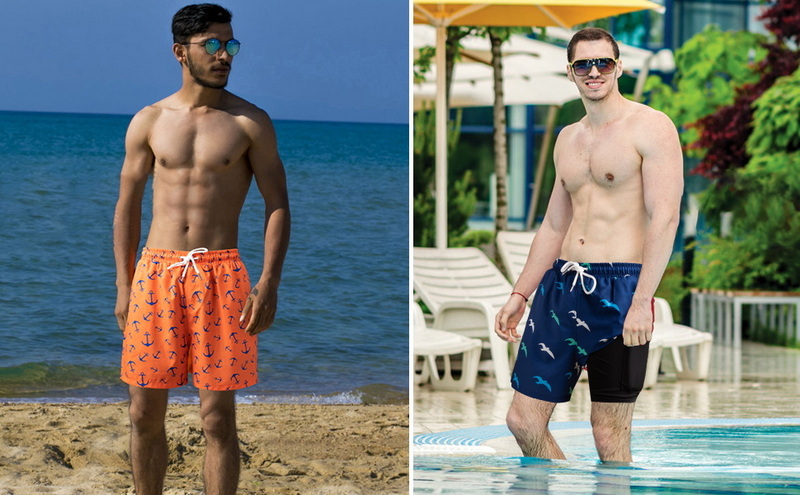
Classic stripes, anchors, waves, and marine creatures are being rendered in abstract and minimalist styles. This approach taps into traditional seafaring aesthetics while avoiding dated clichés. The key is restraint—modern nautical prints use negative space and geometric simplification rather than literal imagery. [maamgic]
Cubist shapes, graffiti-style splashes, and color-blocking techniques bring high-fashion sensibility to everyday swimwear. These prints appeal to younger consumers who view swimwear as an extension of streetwear culture and personal artistic expression. [maamgic]
The fascination with retro swim trunks goes beyond surface-level aesthetics—it's a tribute to an era when men's fashion embraced bold experimentation. '70s-style swirls, '80s neon grids, and '90s graphic logos are being revived to appeal to both nostalgic older shoppers and younger trend-followers discovering these styles for the first time. [maamgic]
Sustainability has transitioned from niche concern to mainstream expectation in swimwear manufacturing. Leading brands now utilize recycled polyester (rPET) made from post-consumer plastic bottles and Econyl, a regenerated nylon created from discarded fishing nets and ocean plastic waste. These materials reduce reliance on virgin petroleum-based resources while addressing ocean pollution. [leftyproductionco]
Modern swimwear fabrics deliver multiple performance benefits as standard features: [maamgic]
- Quick-dry technology using moisture-wicking fibers that accelerate evaporation
- UV protection integrated into fabric structure to prevent sun damage
- Odor-resistant treatments that inhibit bacterial growth
- Stretch technology enabling four-way movement without shape loss
- Chlorine resistance maintaining color vibrancy through repeated pool exposure
Beyond materials, manufacturing processes are evolving toward sustainability. 3D knitting minimizes fabric waste by creating garments directly from yarn without cutting and sewing. Waterless dyeing technologies reduce water consumption and eliminate chemical runoff. As a manufacturer, Yongting is actively exploring these innovations to meet growing brand demands for sustainable production partnerships. [leftyproductionco]
Mass-market retailers lead in making trend-forward styles affordable and accessible. These brands drive volume sales and introduce mainstream consumers to emerging trends like compression liners and hybrid shorts. [maamgic]
Luxury swimwear brands push boundaries through bespoke tailoring, premium materials, and limited editions. This segment often introduces innovations that eventually trickle down to mid-market offerings. [maamgic]
Sports brands integrate performance engineering developed for competitive swimwear into fashion-forward designs. This category appeals to active consumers who prioritize function alongside aesthetics. [maamgic]
A growing segment of brands builds entire identities around eco-conscious craftsmanship. These companies attract environmentally aware consumers willing to pay premiums for verified sustainable practices and transparent supply chains. [maamgic]
When selecting summer swimwear, prioritize fit over fleeting trends. A well-fitted 5-inch trunk in a versatile color will deliver more value than a trendy print in an unflattering length. Seek compression-lined options if you experience chafing with traditional mesh. Invest in sustainable brands when possible to support responsible manufacturing.
Partner with manufacturers capable of delivering both technical innovation and style flexibility. Request fabric samples to verify quick-dry claims and compression liner quality. Consider hybrid shorts as a growth category given their versatility appeal. Build sustainability credentials through verified material sourcing and transparent production partnerships.
Premium men's swimwear requires attention to specific construction elements:
- Reinforced stitching at stress points (drawstring grommets, pocket corners)
- Corrosion-resistant hardware for zippers, snaps, and grommets
- Color-matched drawstrings that maintain appearance after sun and salt exposure
- Secure pocket construction with drainage grommets in water-oriented designs
- Proper compression liner attachment preventing separation or bunching
Professional swimwear manufacturing includes rigorous testing protocols: fabric tensile strength after chlorine exposure, color fastness under UV radiation, seam strength under wet conditions, and compression liner durability through wash cycles. These standards ensure products perform as promised throughout their intended lifespan.
On-demand manufacturing is enabling customization options previously unavailable in swimwear. Consumers increasingly expect ability to select inseam length, liner type, and even custom prints within standardized frameworks. [baliswim]
While still emerging, fabrics with UV-monitoring capabilities or temperature-regulating properties represent the next frontier in performance swimwear. These innovations will likely appear first in premium athletic segments before expanding to mainstream offerings.
Progressive brands are implementing take-back and recycling programs, encouraging customers to return worn swimwear for material recovery. This circular approach minimizes waste and appeals to environmentally conscious consumers. [leftyproductionco]
1. What swim trunk length is most flattering for different body types?
The 5-inch inseam works well for most men as it balances proportion and coverage. Athletic builds can carry shorter 4-inch styles, while those preferring more coverage should consider 7-inch options. The key is ensuring the hem hits mid-thigh and the waistband sits comfortably at your natural waist. [maamgic]
2.How do compression liners differ from traditional mesh, and which is better?
Compression liners provide soft, boxer-like support that prevents chafing and blocks sand, while traditional mesh only covers the crotch area and often causes irritation. Compression liners are objectively superior for comfort, performance, and hygiene, though they typically cost more to manufacture. [bermies]
3. Are sustainable swimwear materials as durable as traditional fabrics?
Modern recycled materials like rPET and Econyl match or exceed the performance of virgin polyester and nylon. Quality sustainable swimwear includes the same technical features—quick-dry, UV protection, chlorine resistance—as conventional options, with the added benefit of reduced environmental impact. [baliswim]
4. Can hybrid swim shorts really replace both swimwear and casual shorts?
Well-designed hybrid shorts successfully serve both functions through strategic fabric selection and construction. Look for styles with moisture-wicking properties, secured pockets suitable for carrying essentials on land, and styling that doesn't scream "swimwear" when dry. The best hybrids are indistinguishable from casual shorts when worn casually. [maamgic]
5. What colors and prints offer the most versatility across different settings?
Navy, black, and charcoal provide maximum versatility for men who want one pair that works anywhere. For those wanting more personality, earth tones like sage green or terracotta work in diverse settings while remaining sophisticated. Bold prints and neon colors make stronger statements but limit outfit coordination options. [maamgic]
6. How should men care for compression-lined swim trunks to maximize lifespan?
Rinse immediately after use to remove chlorine and salt, hand wash or use gentle machine cycles in cold water, avoid fabric softeners that can damage technical fibers, air dry away from direct sunlight to prevent UV degradation, and store flat or loosely folded rather than tightly compressed. Proper care extends the functional life of compression liners significantly. [bermies]
1. Maamgic. "Top 6 Men's Swimwear Trends for 2026." October 2025. https://maamgic.com/blogs/news/top-6-mens-swimwear-trends-2026-summer
2. Tucann. "Top Trends in Men's Swimwear for Summer." https://www.tucann.com/blogs/news/top-trends-in-mens-swimwear-this-summer
3. Market.us. "Swimwear Statistics and Facts (2026)." January 2026. https://www.news.market.us/swimwear-statistics/
4. TechSci Research. "Men's Swimwear Market Size and Outlook 2031." https://www.techsciresearch.com/report/men-s-swimwear-market/19673.html
5. DryFins. "3 Reasons to Wear Compression Lined Swim Trunks." July 2021. https://dryfins.com/blogs/dryfins-blog/3-reasons-to-wear-compression-lined-swim-trunks
6. Bermies. "Advantages of Wearing Compression Lined Swim Trunks." October 2025. https://bermies.com/blogs/compression-liner-swim-trunks/what-are-the-advantages-of-wearing-compression-lined-swim-trunks-during-workouts
7. Bermies. "Are Swim Trunks with Compression Liner Better than with Mesh Liner?" August 2025. https://bermies.com/blogs/compression-liner-swim-trunks/are-swim-trunks-with-compression-liner-better-than-with-mesh-liner
8. Lefty Production Co. "The Evolution of Sustainable Fashion: Innovations in Bikini Manufacturing." April 2025. https://www.leftyproductionco.com/post/the-evolution-of-sustainable-fashion-innovations-in-bikini-manufacturing-2
9. Bali Swim. "How to Create a Sustainable Swimwear Brand." May 2025. https://baliswim.com/create-sustainable-swimwear-brand/
10. Dessue. "Men's Swimwear 2026: A Trend That Started in 2012." https://www.dessue.com/blog/men-s-swimwear-2026-a-trend-that-started-in-2012/


