
Views: 222 Author: Loretta Publish Time: 2026-03-10 Origin: Site


Content Menu
● What Is Swimwear Hardware and Why It Matters in 2026
● Core Types of Swimwear Hardware You Need to Specify
>> Hooks: Versatile Closures for Straps and Bands
>> Rings: Functional Connectors and Signature Details
>> Sliders: Adjustability for Inclusive, Supportive Fit
>> Cord Ends, Stoppers and Decorative Beads
● Material Choices: Metal, Plastic and Coated Hardware in 2026
>> Metal Hardware: Premium Look and Strength
>> Plastic, Resin and Acetate: Lightweight and Fashion-Forward
>> Nylon-Coated and Color-Matched Hardware
● 2026 Trend Snapshot: Hardware in the New Swimwear Aesthetic
● Performance and UX: Comfort, Support and Longevity
● Practical Sizing and Specification Guide for OEM Production
● Cost, MOQ and Branding Strategy for Hardware
● Step-by-Step: Planning Hardware for a 2026 Swimwear Collection
● Working With an OEM Swimwear Manufacturer on Hardware
● Call to Action: Build Your 2026 Hardware-Rich Swim Line With an OEM Partner
● FAQs: Swimwear Hardware for 2026 Collections
>> 1. How do 2026 trends change the way I should think about swimwear hardware?
>> 2. Should I always choose metal hardware for premium swimwear?
>> 3. What is the best way to brief my OEM factory on hardware?
>> 4. How can hardware support inclusive and adaptive swimwear in 2026?
>> 5. Is investing in custom-logo hardware worth it for small and mid-size brands?
Swimwear hardware—hooks, rings, sliders, clasps, metallic trims and decorative cord ends—has become one of the fastest ways for brands to differentiate their bikini and swimsuit collections in 2026. Instead of being a small afterthought, hardware now shapes fit, comfort, silhouette, sustainability claims and even how "luxury" a piece feels in the customer's hands. For brands working with OEM Swimwear factories like Yongting in China, mastering hardware choices early in development is essential to build premium, trend-forward collections that stand out on the beach. [insights.made-in-china]
In this 2026-focused guide, you will learn the main types of swimwear hardware, how materials and sizing affect performance, which trends are shaping design right now, and how to collaborate effectively with an OEM manufacturer to turn your ideas into scalable, production-ready styles. [baliswim]

In technical terms, swimwear hardware includes all the small functional and decorative components—hooks, rings, sliders, clasps, cord ends, beads and metal logos—attached to your swim garments. These elements control adjustability, support, closure security and styling details, and they play a major role in how consumers perceive quality and price point. [trustpilot]
In 2026, global swimwear trends are moving toward elevated minimalism, sculpted silhouettes and subtle, jewelry-like accents. That means hardware is expected to look refined rather than chunky, to feel light and skin-friendly, and to integrate seamlessly with sculpted cuts and UPF or performance fabrics. For buyers and procurement teams, this makes clear hardware specifications a must-have in every tech pack rather than an optional detail left to the factory. [vixpaulahermanny]
Knowing the main hardware categories makes your design handover with an OEM partner faster and reduces sampling errors. [baliswim]
Hooks (often called G-hooks or bra hooks) are used at back bands, neck straps and detachable shoulder straps to fasten or reconfigure the suit. Metal hooks are preferred in most mid- to high-end lines because they offer stronger tension resistance and better long-term shape retention in chlorine and saltwater. To avoid twisting or discomfort, the inner width of the hook must align tightly with strap width, especially as 2026 favours supportive yet minimal back designs. [naniswimwear]
O-rings and other connecting rings join straps at the bust, hip and side seams and can be purely functional, purely decorative, or both. In 2026, trends lean toward smaller, more refined rings used in multiples, or a single sculptural ring that feels like jewelry. For coastal or resort lines, brands often use rings as a signature detail—such as a distinctive geometric shape—so the silhouette is instantly recognizable in social media photos. [wet-swimwear]
Sliders (tri-glides) allow wearers to adjust strap length for different torso lengths and bust volumes, a critical feature as "support is the new standard" in 2026 swimwear. Metal sliders (often paired with matching rings) provide superior durability and a premium impression, especially when color-matched to clasps and logo tags. For more price-sensitive collections, nylon-coated metal or high-grade plastic sliders can balance comfort, performance and cost. [tortoiseshellsupply]
Two-part clasps are typically placed at the back of bikini tops and occasionally at key cut-outs on one-pieces. While plastic clasps are lightweight, 2026 collections at mid to premium price points tend to favour metal or metal-look clasps to support the move toward sleek, "swimwear-as-ready-to-wear" silhouettes. A well-engineered clasp must feel secure during movement yet easy to open and close for the consumer, especially for sculptural, high-coverage styles that double as tops. [vixpaulahermanny]
Cord ends (stoppers, cord tips) finish the ends of ties and create a polished look on triangle tops, halter styles and lace-up sides. In 2026, subtle metallic cord ends, small beads and artisanal-looking trims are popular on elevated boho and resort collections, providing "small shimmer" without heavy bulk. Brands looking for a more natural look often combine metal cord ends with wooden or resin beads to echo handcrafted aesthetics and align with eco-conscious positioning. [wet-swimwear]
Hardware materials directly impact comfort, durability, sustainability positioning and compliance with regulations such as nickel-release limits. [insights.made-in-china]
High-quality zinc alloy or brass-based hardware with specialist plating remains the standard for premium swimwear because of its strength and refined finish. Many suppliers now provide nickel-, lead- and chrome-free options, and some brands ask for OEKO-compliant finishes to align with broader ESG commitments. In 2026, designers are focusing on slim, sculptural metalwork—delicate gold O-rings, micro clasps and polished logos—rather than heavy, bulky pieces. [whowhatwear]
Plastic and resin hardware can be molded into unique shapes and marbled or tortoiseshell effects at a lower weight than metal. They are often used in statement looks and on pieces that lean toward fashion over performance, especially where weight and comfort during long wear are priorities. However, low-grade plastics may yellow or become brittle under UV exposure, so brands should request swimwear-specific grades and testing data from their OEM partner. [trustpilot]
Nylon-coated rings and sliders pair a durable metal core with a soft, colored exterior that can be tone-on-tone with the fabric or used as a contrast accent. This format is particularly popular in 2026 for elevated minimalist looks where hardware needs to "disappear" visually but still deliver strength and support. For multi-color collections, aligning hardware coating colors across several styles helps factories reduce SKUs and improve purchasing efficiency. [tortoiseshellsupply]
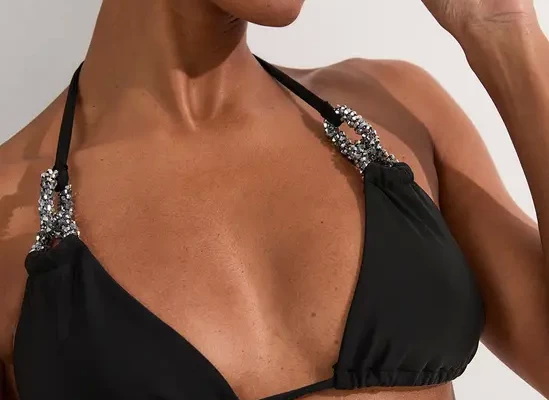
Several macro trends define how hardware is used in swimwear in 2026, based on brand forecasts, retail reports and runway coverage. [vixpaulahermanny]
- Elevated minimalism: Clean silhouettes with subtle hardware—fine gold rings, micro clasps and tonal coated sliders—are preferred over oversized, chunky pieces. [playaluxe]
- Sculpted silhouettes: Asymmetrical necklines, ruched panels and structured support elements rely on precisely placed hardware to maintain shape without looking bulky. [playaluxe]
- Jewelry-like details: Hardware is treated like body jewelry, with polished finishes and light-reflecting details that pair well with glossy or shimmer fabrics. [whowhatwear]
- Adaptive and modular designs: Adjustable and removable hardware (multi-position straps, detachable components) supports modular designs and adaptive fits that respond to diverse body needs. [insights.made-in-china]
For brands, this means hardware choices must support both aesthetics and modular functionality: the same ring or clasp may need to perform in multiple wearing configurations without compromising comfort. [wet-swimwear]
From a user-experience perspective, the ideal hardware feels almost invisible even when it visually defines the garment. [trustpilot]
Key UX considerations include:
- Contact points: Avoid large, rigid hardware at underarm, underbust or seated areas where pressure is highest to prevent discomfort and red marks. [trustpilot]
- Edge finishing: Smooth edges and rounded shapes reduce friction and the risk of snagging on delicate fabrics or skin. [baliswim]
- Thermal comfort: In very strong sunlight, uncoated dark metal can become hot; many brands mitigate this with smaller pieces, lighter colors or coated finishes. [insights.made-in-china]
- Environmental resistance: Hardware must withstand chlorine, saltwater, sunscreen and UV exposure across multiple seasons without severe tarnish or failure. [baliswim]
Modern performance swim ranges also combine robust elastics and reinforced stitching at hardware points to distribute stress, especially as 2026 consumers expect suits that keep their shape during more active use. [naniswimwear]
Clear hardware specifications in your tech pack are essential when you work with an OEM like Yongting, especially if you produce multiple styles and colorways. [baliswim]
| Hardware type | Typical inner size range (mm) | Typical 2026 usage |
|---|---|---|
| Hooks | 6–32 mm (baliswim) | Back closures, neck straps, detachable shoulder straps for sculpted tops (naniswimwear) |
| Rings | 6–32 mm (trustpilot) | Side and bust connectors, subtle front details, jewelry-like accents (whowhatwear) |
| Sliders | 6–32 mm (strap width) (baliswim) | Adjustable shoulder straps and multi-position fits for inclusive sizing (wet-swimwear) |
| Clasps | 20–32 mm (band width) (baliswim) | Back bands on bra-like tops and cut-out one-piece closures (vixpaulahermanny) |
| Cord ends / beads | Approx. 3–10 mm opening (trustpilot) | Finishing strings on triangle tops, side ties and lace-up details (wet-swimwear) |
In each tech pack, specify hardware type, inner size, material, finish, color code, quantity per garment and whether branding (e.g., logo engraving) is required. Consistent sizing across styles (for example, standardizing 12 mm sliders for all thin straps) makes sourcing and quality control significantly easier for the factory. [baliswim]
Hardware can significantly influence garment perceived value and retail pricing, but it also adds cost, MOQs and lead time, especially when custom. [baliswim]
- Mold and development fees: Custom-logo metal hardware usually requires a one-time mold fee before bulk production. [baliswim]
- Minimum order quantities: MOQs often start around 1,000 pieces per design and color, encouraging brands to reuse the same hardware across multiple styles or seasons. [baliswim]
- Unit cost vs. retail uplift: A small increase in hardware cost can enable a much higher perceived value and price point when supported by good storytelling and photography. [tortoiseshellsupply]
Strategically, many 2026 collections choose one or two distinctive branded components—such as a logo tag or signature ring shape—and repeat them throughout the range, creating brand recognition without overcomplicating procurement. [whowhatwear]
To integrate hardware seamlessly into your 2026 collection, follow a clear process with your OEM partner.
- Clarify market segment and price point. Decide if you are targeting entry, mid or premium positioning, as this determines whether you lean toward plastic, coated metal or solid metal hardware. [vixpaulahermanny]
- Map silhouettes and hero styles. Identify which styles will showcase hardware (e.g., ruched one-piece with side rings, chain-like strap bikini) versus minimal, hardware-light styles for balance. [vixpaulahermanny]
- Build a hardware palette. Choose 1–2 metal finishes (such as light gold and gunmetal) and any coated colors that work across your fabrics and prints for cohesive merchandising. [playaluxe]
- Standardize sizes. Align strap and band widths with ring, slider and clasp sizes and document them clearly in tech packs and bill of materials. [baliswim]
- Sample and fit-test. Request initial samples from your OEM using the chosen hardware, and fit-test them under movement and water conditions to evaluate comfort and heat/pressure points. [insights.made-in-china]
- Confirm compliance and quality standards. For markets emphasizing safety, ask for plating and corrosion test reports, and ensure your care labels and marketing claims match the hardware's performance. [insights.made-in-china]
An experienced OEM such as Yongting can act not just as a producer, but as a technical advisor on hardware feasibility, sourcing and testing. Factories that regularly produce for international brands have preferred hardware suppliers, tested size ranges and standard finishes that perform well across markets. [baliswim]
To maximize this partnership:
- Provide inspiration images or physical samples highlighting the hardware look and size you want, along with a target budget range per unit. [baliswim]
- Ask for alternative options (e.g., nylon-coated metal instead of solid brass) where the factory sees a better cost–performance balance. [insights.made-in-china]
- Consolidate hardware SKUs by reusing core rings, sliders and clasps across multiple patterns and colorways to simplify logistics. [baliswim]
If you source hardware independently and ship it to the OEM, align early on lead times, customs clearance and compatibility with the factory's sewing equipment and attachment methods to avoid production delays. [insights.made-in-china]
As 2026 swimwear trends move toward sculpted silhouettes, subtle jewelry-like details and modular, adaptive fits, hardware has become a critical design and performance lever rather than just an accessory. Thoughtful selection of hooks, rings, sliders, clasps and cord ends—aligned with your pricing, branding and sustainability goals—will determine how your collection feels on the body and how it performs in a competitive global market. [vixpaulahermanny]
Ready to develop a 2026-ready swimwear collection with elevated hardware details? Define your target price point and hardware palette, gather visual references, and then share your concepts with your OEM manufacturer to explore material options, custom branding and scalable sourcing solutions for your next season. [baliswim]
Contact us to get more information!
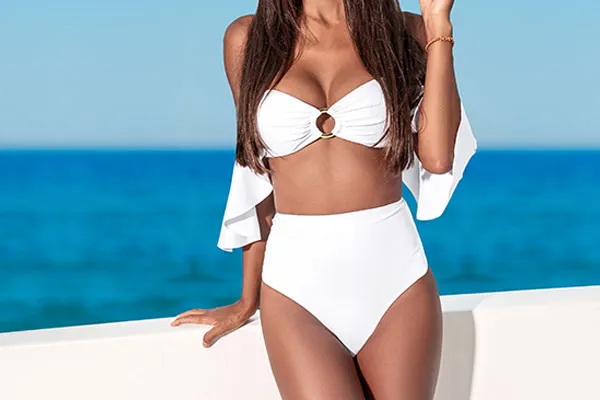
In 2026, trends emphasize elevated minimalism and sculpted fits, so hardware should be more refined, lighter and jewelry-like, supporting clean silhouettes instead of overpowering them. [playaluxe]
Metal is generally preferred for premium lines due to strength and a luxury feel, but high-quality coated or resin hardware can also work for fashion-led pieces when properly tested for UV and water exposure. [tortoiseshellsupply]
Provide tech packs with exact inner sizes, strap widths, materials, finishes, expected MOQs and reference imagery, and then ask your OEM to propose tested alternatives within your cost and aesthetic targets. [baliswim]
Adjustable sliders, multi-position hooks and modular clasp systems allow more body types to get a secure, comfortable fit and support the growing demand for adaptive and customizable designs. [wet-swimwear]
Custom-logo clasps or metal tags require MOQs and mold fees, but when used consistently they enhance brand recognition and help justify higher price points, especially in premium or resort collections. [whowhatwear]
1. Bali Swim – Swimwear hardware and component information (hooks, rings, sliders, clasps, material and finish options). [baliswim]
2. Bali Swim – Company information as a leading OEM/ODM swimwear manufacturer for global brands. [baliswim]
3. Tortoise Shell Supply – "The Complete Guide to Swimwear Notions" (rings, sliders, clasps, cord ends, materials and use cases). [baliswim]
4. Bali Swim – Bulk production and development process insights for custom swimwear collections. [baliswim]
5. Emerald Erin / Stitch Love Studio – Product listings and descriptions for swimwear hardware sizes and strap compatibility. [shop.emeralderin]
6. Who What Wear – "Hardware Store" and jewelry-inspired swimwear hardware trend coverage (2025, continuing into 2026). [whowhatwear]
7. JMP The Label – Trend-focused editorial on women's swimwear styling and detailing. [jmpthelabel]
8. Tortoise Shell Supply – Material and durability considerations for plastic, resin and coated hardware. [tortoiseshellsupply]
9. Who What Wear – Swimwear trend reports highlighting embellished straps and hardware as design focal points. [whowhatwear]
10. Fashionista and Miami Swim Week coverage – Hardware as visible branding feature in runway swimwear. [dcswimweek]
11. Global Sources / Made-in-China trend insights – Buyer priorities for comfort, versatility and performance in 2026 swimwear. [globalsources]
12. PLAYALUXE – "2026 Swimwear Trends Forecast" (ruched and sculpted silhouettes, body-sculpting texture). [playaluxe]
13. WET Swimwear – "2026 Swimsuit Trends: What's in This Year" (elevated minimalism, refined jewelry-like hardware). [wet-swimwear]
14. VIX Paula Hermanny – 2026 swimwear trend outlook (sculptural cuts and refined hardware). [vixpaulahermanny]
15. TYLER'S – 2026 summer swimwear trends emphasizing clean silhouettes and supportive fits. [tylerstx]
16. Nani Swimwear – 2026 swimwear predictions foregrounding support and functionality. [naniswimwear]
17. Miami Swim Week and Paraiso – Official 2026 event information, highlighting the role of innovation and detail in swim collections. [miamiswimweek]
18. MFSEA and industry blogs – S/S 26 runway-to-beach swimwear edit featuring tactile 3D hardware details. [mfsea]


