
Views: 222 Author: Yongting Swimwear Publish Time: 2026-05-25 Origin: Site


If your favourite swimsuit no longer fits quite right, rides up, or looks tired on photos, it's probably telling you something: it's time for an upgrade. As a long‑time swimmer and as an OEM swimwear manufacturer working with leading global brands, we see every day how worn‑out swimwear silently ruins comfort, confidence, and even performance in the water. [yong-ting]
In this guide, we'll walk through 7 practical signs you need new swimwear, plus pro tips from a professional swimwear factory on how high‑quality pieces are designed to last longer and perform better. [ranktracker]

Most people wait far too long before buying a new swimsuit, especially if it's a favourite style or a piece that once fit "perfectly." But swimwear is technical apparel, and its performance degrades much faster than everyday clothing because of sun, salt, chlorine, and body oils. [yong-ting]
When you ignore the warning signs, you risk:
- Embarrassing transparency when fabric thins or stretches. [ranktracker]
- Loss of support, especially around the bust, waist, and seat. [ranktracker]
- Chafing and irritation where seams and elastic are breaking down. [baliswim]
- Reduced confidence at the beach, pool, or on camera. [ranktracker]
As an OEM factory producing over 200,000 pieces of swimwear per month for global brands, we see exactly how long high‑quality fabrics, stitching, and elastics last—and when they clearly need replacing. [ranktracker]
The very first sign most swimmers notice is that their swimsuit no longer hugs the body like it used to. Over time, Lycra and elastane fibres relax, especially after repeated exposure to chlorine and UV rays, so the garment feels looser even if your body weight is unchanged. [baliswim]
You may notice:
- The waistband no longer sits firmly on your hips.
- Shoulder straps slip off more easily.
- The seat area sags when you come out of the water.
From a manufacturer's point of view, consistent fit is one of the main quality indicators of good swimwear. When our OEM clients test new collections, they check whether the fit stays stable after dozens of cycles of wear and washing, not just how it feels the first time you try it on. [yong-ting]
If your swimsuit feels "relaxed" or baggy, it's not your imagination—it's a sign the fibres have started to fail and you should replace it. [ranktracker]
Swimwear fabric is engineered to stretch, recover, and support your body, but years of exposure to chlorine, sunscreen, sea water, and friction weaken it. When this happens, the surface of the fabric changes visibly. [baliswim]
Look for these warning signs:
- Shiny patches on the seat or bust where you sit, slide, or rub against rough surfaces. [ranktracker]
- Color fading, especially on the shoulders, chest, and back where sunlight hits hardest. [ranktracker]
- Uneven texture that feels rough or "grainy" instead of smooth and firm. [ranktracker]
As a factory, we test fabrics under simulated sunlight and chlorine to see how quickly they lose color and elasticity. Premium fabrics with higher chlorine‑resistance survive much longer, but once you can see a shine or extreme fading, the fibres underneath are already stressed. [yong-ting]
Inside every waistband, strap, and leg opening is hidden elastic that keeps your swimsuit in place. If that elastic loses its structure, the swimsuit cannot maintain its shape—even if the fabric itself still looks acceptable. [ranktracker]
Common elastic failure signs include:
- A "crunchy" feel when you pinch the waistband or straps.
- Twisted elastics that don't lie flat and create bulges under the fabric.
- Small cracks or flakes in the elastic when gently stretched. [ranktracker]
In manufacturing, we specify different elastics for saltwater, pool use, and sports swimwear because the stress levels are so different. For high‑impact or long‑wear designs, we use stronger elastics and double‑needle stitching so the piece still holds after hundreds of wears. [yong-ting]
If your straps, leg openings, or waistband feel limp or crunchy, your swimsuit will not stay put in the water—time to replace it with a piece that offers reliable support. [ranktracker]
One of the most valuable pieces of feedback we hear again and again from swimwear buyers is:
> "The worst thing is when I spend my whole beach day pulling my swimsuit back into place instead of relaxing." [ranktracker]
If you notice that you are:
- Pulling down the front or back of your swimsuit every few minutes.
- Re‑tying straps constantly because the knots slip or the fabric stretches.
- Avoiding certain movements (jumping, diving, bending) because you're afraid of a wardrobe malfunction.
…then your swimsuit is no longer supporting you—and it may not be safe for more active swimming. [ranktracker]
From a UX and brand perspective, a great swimsuit disappears in your awareness—it stays where it should, so you can focus on fun, performance, or content creation (for those beach photos and videos). When our OEM clients review samples, they test this by moving, diving, stretching, and playing in the water to see whether the swimsuit stays in place without constant adjustments. [intelegencia]
If your swimwear is too tight in some areas and too loose in others, it can rub the skin and create friction hot‑spots. Over time, this leads to: [baliswim]
- Red marks around the neck, underarms, or inner thighs.
- Chafing where seams or mesh linings rub against damp skin.
- Itching or irritation after you wear the swimsuit for a few hours.
This issue often appears when swimwear is:
- Past its prime and the fit has changed.
- Not originally designed for your activity level (for example, fashion bikini used for long‑distance swimming).
- Made from cheaper fabrics with rougher surfaces or less precise stitching. [adroll]
At Yongting, we work with brands that sell anti‑chafe swim trunks and performance swimwear, so we pay special attention to seam placement, flatlock stitching, and fabric softness to reduce friction. [yong-ting]
If your current swimsuit hurts or leaves deep red grooves after wear, it's not doing its job—modern designs and better materials can keep you much more comfortable. [baliswim]
Sometimes the issue is not technical wear, but life changes and style evolution. Your body, lifestyle, and personal brand may look very different from what they were when you bought that swimsuit years ago. [ranktracker]
You might notice:
- Your old "triangle bikini" no longer feels secure for playing with kids or doing water sports.
- You now prefer more coverage or more support in certain areas.
- Your personal or brand aesthetic has shifted, and the old prints or cuts don't represent you anymore. [ranktracker]
From an OEM manufacturer's perspective, we've seen a strong shift towards:
- High‑waisted bottoms for more core support and a retro‑inspired look.
- Sport‑inspired one‑pieces and long‑sleeve suits for active use and sun protection.
- Body‑inclusive sizing and real‑body cuts that feel good on more shapes. [yong-ting]
If your swimsuit no longer makes you feel confident, supported, and on‑brand, that alone is a valid reason to invest in a new piece that fits your current life stage and style. [wgcontent]
Finally, a simple but powerful test: if you cannot remember when you bought your swimsuit, it's probably too old. [ranktracker]
Depending on how often you swim and how you care for your items:
- For frequent swimmers (several times a week), technical swimwear may need replacement every 6–12 months.
- For casual swimmers, vacation‑only suits can last 2–3 years or more, but only if properly rinsed and dried. [developers.google]
As a manufacturer, we see that many consumers over‑extend the life of their swimwear far beyond what fabric and elastic were designed for, especially when the style is a favourite. If your piece is older than two or three seasons and shows any of the signs above, you'll likely feel a huge difference when you switch to a new, well‑constructed swimsuit. [yong-ting]
As a swimwear factory working with brands across Europe, the US, and Australia, we help them design collections that not only look good but also survive real‑world use. Here are practical care tips we recommend to brand owners—and that you can use as a consumer. [yong-ting]
1. Rinse in cool fresh water immediately. This removes salt, sand, chlorine, and sunscreen before they break down fibres. [adroll]
2. Gently squeeze (don't wring) out water. Twisting crushes elastane and can permanently deform the shape. [ranktracker]
3. Lay flat to dry in the shade. Direct sunlight accelerates fading and fibre damage; dryers are even harsher. [baliswim]
- Hand‑wash with mild detergent. Avoid bleach, fabric softeners, and harsh detergents that strip elastane. [developers.google]
- Avoid rough surfaces. Sitting on concrete, wood, or pool edges can cause pilling and abrasion on the seat. [ranktracker]
- Rotate between two or more suits. This gives each piece time to fully dry and recover between wears, extending its life. [wgcontent]
From a manufacturing standpoint, even the best fabrics have limits—but when consumers follow these care practices, we see a clear extension in real‑world lifespan. [intelegencia]
When it's time to replace your swimwear, a little knowledge can help you choose pieces that fit better, last longer, and align with your brand or lifestyle. [adroll]
- Fabric composition: Look for blends with high‑quality elastane and, for frequent pool use, fabrics marked as chlorine‑resistant. [baliswim]
- Stitching: Flat, even stitches with no loose threads; flatlock or zig‑zag seams are more flexible and comfortable for active use. [adroll]
- Lining: A fully or front‑lined swimsuit provides better coverage and structure, especially in lighter colours. [ranktracker]
- Support features: Underbust bands, wider straps, and power‑mesh panels where you need more support. [adroll]
When trying on new swimwear, ask yourself:
- Does it stay in place when you bend, walk, or jump?
- Do you feel supported but not squeezed?
- Is coverage appropriate for how you plan to use it (pool, surf, family vacation, content shoots)?
- Does the style reflect how you want to present yourself now—not five years ago?
For brands and wholesalers working with OEM manufacturers like Yongting, we recommend creating clear fit profiles and usage scenarios (e.g., surf, lounge, athletic training, plus‑size) so every product serves a well‑defined purpose in the collection. [intelegencia]
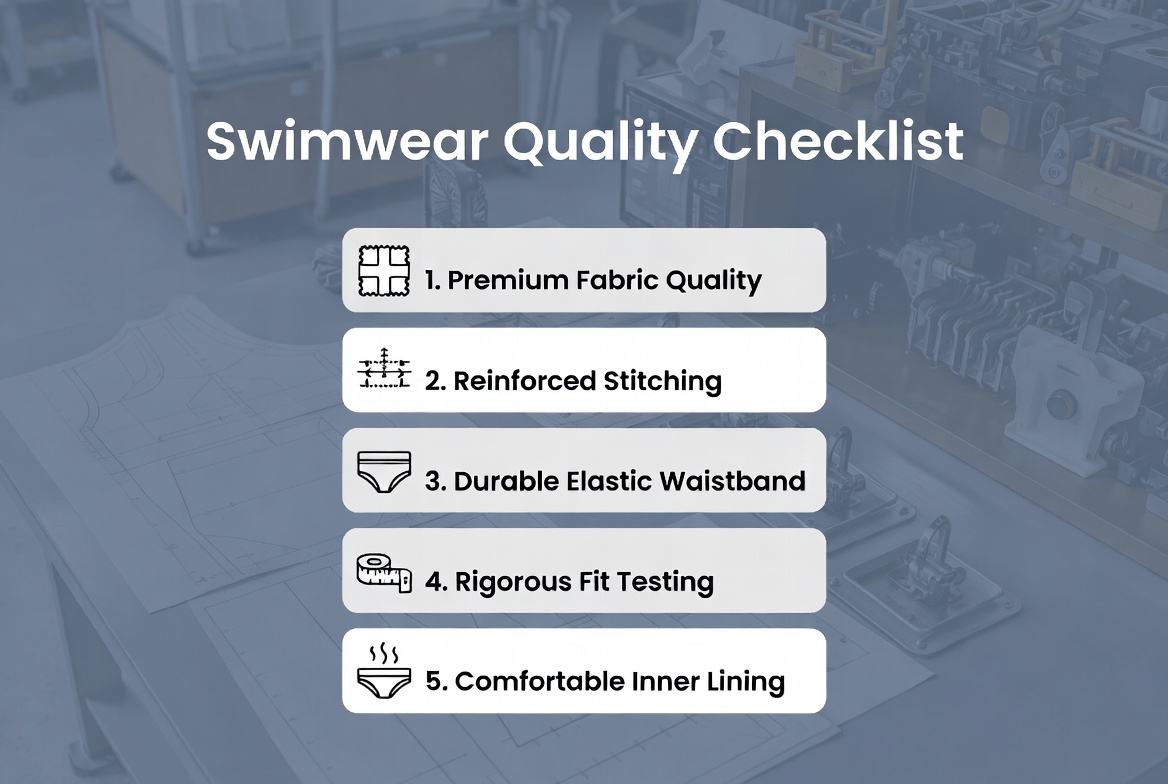
If you're a swimwear brand owner, wholesaler, or distributor, recognizing when consumers need new swimwear is more than a personal issue—it's a strategic opportunity. [yong-ting]
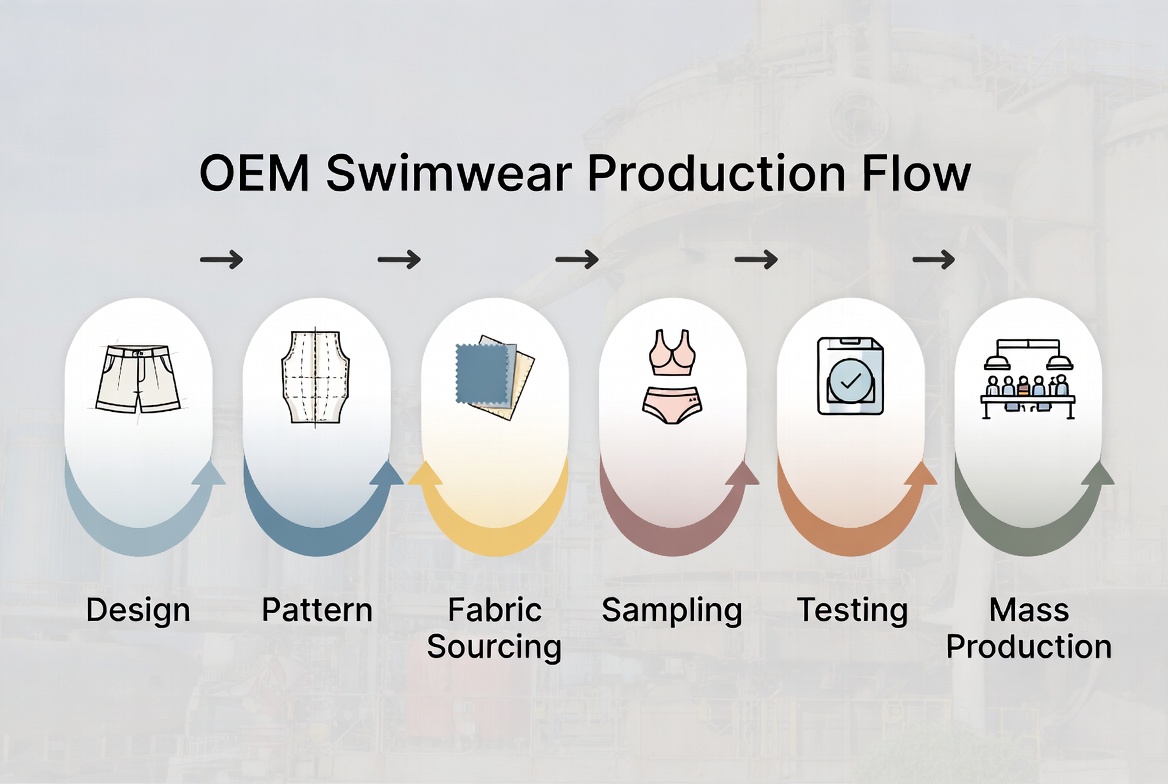
As an OEM swimwear factory with over 15 years of experience and 200+ skilled staff, we support leading retailers and fashion labels in Europe, North America, South Africa, and Australia with: [yong-ting]
- Design consultation: Translating your moodboards and market research into technical swimwear designs.
- Pattern making and grading: Ensuring consistent fit across sizes and body types.
- Fabric and trim sourcing: Selecting materials that match your target market (resort wear, performance, sustainable lines).
- Prototype and testing: Building samples that you can test for fit, comfort, and durability before bulk production.
- Quality‑controlled mass production: Delivering up to 200,000 pieces per month with strict quality checks. [ranktracker]
By understanding the real‑world signs that end consumers experience—saggy fit, fading, chafing—we help brands adjust their design, fabric, and sizing strategies to deliver collections that customers will want to repurchase season after season. [intelegencia]
| Sign you notice | What it usually means | Recommended action |
|---|---|---|
| Swimsuit feels loose or baggy | Elastane fibres are breaking down | Replace for a better‑supporting fit |
| Shiny, faded, or rough fabric | Surface damage from friction, sun, and chlorine | Replace, review care habits |
| Crunchy or twisted elastics | Elastic is dried out or broken | Replace, avoid high heat and wringing |
| Constantly adjusting or re‑tying | Fit and pattern no longer work for your body | Replace with a better pattern/size |
| Red marks, chafing, or itching | Poor fit, worn fabric, or rough seams | Replace, choose better construction |
| Style no longer matches your body or lifestyle | Life and preferences changed | Replace with styles that suit you now |
| Can't remember when you bought it | Garment is older than 2–3 seasons | Replace and start fresh |
If you're a brand, wholesaler, or manufacturer who wants to give customers swimwear that stays comfortable and flattering—long after their old pieces have failed—partnering with an experienced OEM factory makes all the difference. [intelegencia]
At Yongting, we specialise in:
- Custom women's, men's, and children's swimwear.
- OEM and ODM solutions with low minimum order quantities.
- End‑to‑end support from design to delivery.
Ready to develop a swimwear collection your customers will keep reaching for—season after season?
Contact Yongting today to discuss your next swimwear line or request a custom quote: [www.yong-ting.com]. [yong-ting]
For frequent swimmers, performance swimwear is often replaced every 6–12 months, while casual users may replace pieces every 2–3 years, depending on care and fabric quality. Replace sooner if you notice sagging, fading, or loss of support. [developers.google]
Yes. Chlorine is highly oxidative and breaks down elastane fibres over time, especially in cheaper fabrics without chlorine‑resistant technology. That's why proper rinsing and choosing higher‑quality materials can significantly extend the life of your swimsuit. [baliswim]
Fabrics that combine high‑quality polyester with advanced elastane or specialised chlorine‑resistant fibres tend to last longest, especially for regular pool use. For resort wear, softer nylon‑elastane blends are common but may need gentler care. [baliswim]
Your old swimsuit has likely stretched and lost elasticity, so it feels "looser" than it should. A new piece is designed to fit firmly on dry land and still provide consistent support in the water. [adroll]
Brands should work with OEM manufacturers who offer fit testing, fabric performance testing, and robust quality control, using appropriate elastics, stitching, and linings for each product's intended use. Clear fit standards and thorough sampling are essential before bulk production. [intelegencia]
1. Ranktracker – *Swimwear Brand SEO: Content and On‑Page Best Practices* – on swimwear‑specific SEO and user experience recommendations. <https://www.ranktracker.com/blog/swimwear-brand-seo/> [ranktracker]
2. WG Content – *E‑E‑A‑T for Content Quality* – on aligning content with Google's Experience, Expertise, Authoritativeness, and Trustworthiness framework. <https://wgcontent.com/blog/eeat-content-quality-seo-geo/> [wgcontent]
3. Google – *Search Engine Optimization (SEO) Starter Guide* – on fundamentals of high‑quality, user‑first SEO content and site structure. <https://developers.google.com/search/docs/fundamentals/seo-starter-guide> [developers.google]
4. Yongting – *China Custom Bikini and Swimwear Factory & Manufacturer* – about Yongting's OEM/ODM capabilities, production capacity, and quality standards. <https://www.yong-ting.com> [yong-ting]
5. AdRoll – *Product Page SEO: How to Boost Rankings For Your Product Content* – on structuring product content, using CTAs, and optimising descriptions. <https://www.adroll.com/blog/product-page-seo-how-to-boost-rankings-for-your-product-content> [adroll]
6. Intelegencia – *E‑E‑A‑T and Content Strategy: Building Trust and Authority in 2025* – on using expert input, case studies, and references to strengthen authority. <https://www.intelegencia.com/blog/content-marketing/eeat-and-content-strategy-for-building-trust-and-authority> [intelegencia]
7. Bali Swim – *SEO Strategic Guide for Swimwear E‑Commerce Success* – on visual content, product experience, and customer‑centric swimwear marketing. <https://baliswim.com/seo-strategic-guide-for-swimwear-ecommerce-success/> [baliswim]


